Best Hand Dryers for Commercial Bathrooms
Offices, Restaurants, Schools and Public Toilets
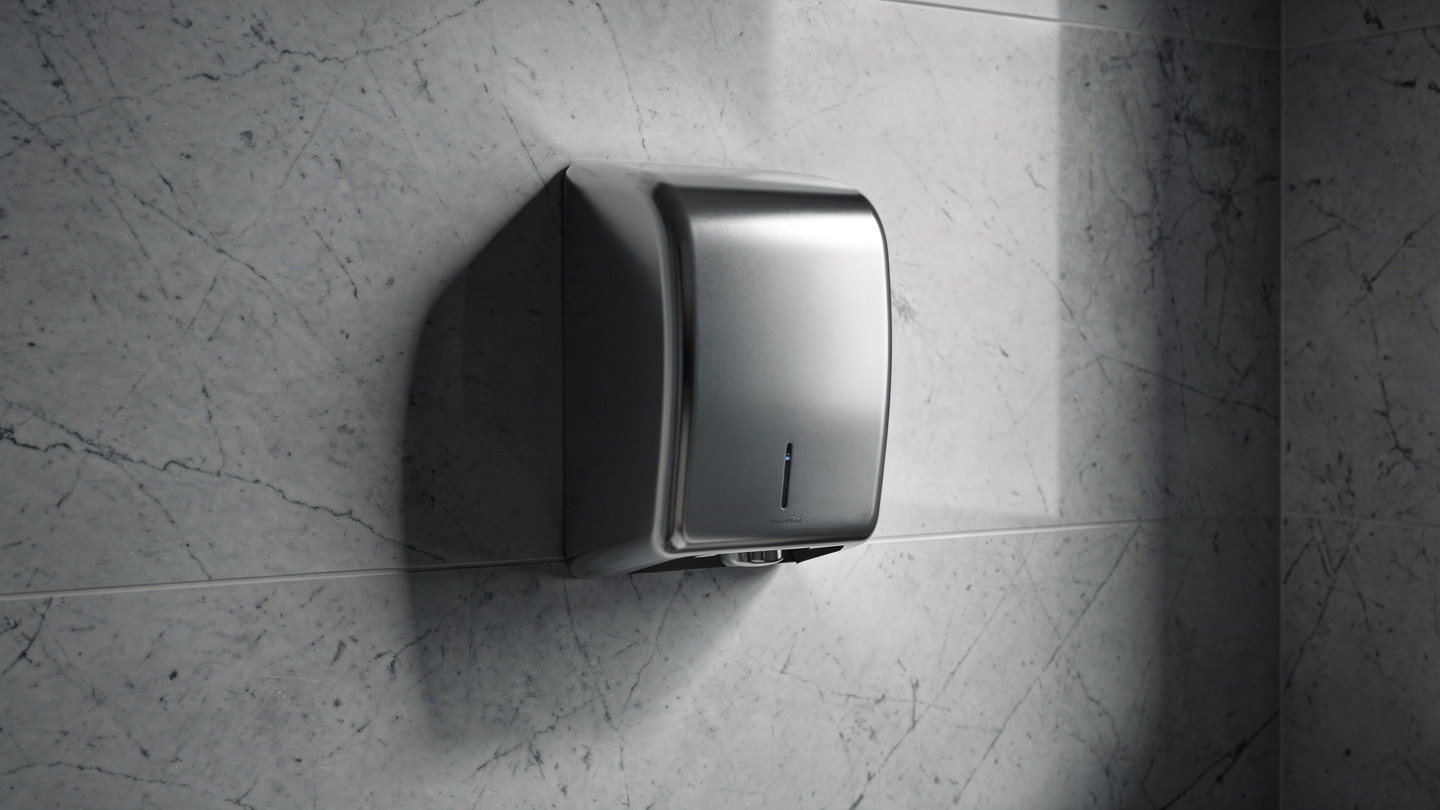
Choosing the best hand dryer for a commercial bathroom is not simply a matter of selecting the fastest or most expensive model. The right choice depends on the type of washroom, how many people use it, the available wall space, noise expectations, hygiene requirements, installation conditions and long-term running costs. A hand dryer that works well in a quiet office bathroom may not be durable enough for a school, while a powerful high-speed dryer that suits a stadium or public toilet may be too loud for a small restaurant washroom.
This guide explains the main buying considerations for commercial hand dryers and how to match the right type of dryer to offices, restaurants, schools, gyms, hospitality venues and public facilities.
Start with the Type of Bathroom or Washroom
The first decision is to consider where the hand dryer will be installed. Different commercial environments place very different demands on a hand dryer. A low-traffic staff bathroom in an office may only need a compact, efficient and quiet dryer. A busy public toilet, school bathroom or shopping centre washroom needs a more robust unit that can handle frequent use throughout the day.
In offices, appearance and noise are often just as important as drying performance. A discreet, modern unit with a neat finish can suit corporate interiors, especially where bathrooms are close to meeting rooms or reception areas. In restaurants, cafés and hospitality venues, customers may judge the cleanliness and quality of the venue partly by the washroom, so the hand dryer should feel hygienic, reliable and visually appropriate for the fit-out.
Schools, gyms, transport facilities and public toilets usually require stronger construction, simple operation and good vandal resistance. In these environments, durability and ease of maintenance often matter more than having the most refined appearance.
Match the Dryer to Expected Traffic Level
Traffic level is one of the most important buying factors. A hand dryer in a small office may only be used a few dozen times per day, while one in a school, sports centre or public facility may be used hundreds of times. Underestimating usage can lead to slow queues, premature wear and user frustration.
For low-traffic bathrooms, a compact automatic hand dryer may be sufficient. These models are usually affordable, easy to install and suitable for staff bathrooms, small offices, consulting rooms or boutique retail stores. For medium-traffic washrooms, it is worth choosing a faster and more durable unit with a reliable sensor and stronger motor. For high-traffic locations, a commercial-grade high-speed dryer is usually the better investment because it reduces waiting time and is designed for repeated use.
In very busy bathrooms, consider whether one dryer is enough. Even a fast hand dryer can cause a bottleneck if several people need to dry their hands at the same time. Multiple dryers, or a combination of dryers and other hand-drying options, may be more practical in large facilities.
Drying Speed and User Experience
Drying speed affects both convenience and washroom flow. High-speed hand dryers are popular in commercial bathrooms because they can dry hands more quickly than older warm-air models. This is especially useful in offices during break times, in restaurants during busy service periods, and in public toilets where users expect a quick experience.
However, faster drying is not the only measure of quality. Some very powerful dryers can feel harsh, create more noise or blow water droplets further if the airflow is not well controlled. A good commercial hand dryer should balance air speed, comfort and practicality. Users should be able to dry their hands efficiently without feeling as though the dryer is unpleasant to use.
Traditional warm-air dryers may be slower, but they can still suit some low-traffic environments where noise and purchase price are more important than speed. High-speed dryers are usually better for medium to high-traffic commercial washrooms, but the right model should be selected with the surrounding environment in mind.
Energy Efficiency and Running Costs
Hand dryers are often chosen as an alternative to paper towels because they can reduce ongoing consumable costs and waste. The real savings depend on the dryer type, power consumption, usage level and maintenance requirements. A cheaper hand dryer with high power consumption may cost more to operate over time than a more efficient model with a higher initial purchase price.
Energy-efficient dryers typically use high-speed airflow rather than relying heavily on heating elements. Some models allow the heating element to be switched on or off, giving businesses more control over comfort and energy use. In warm climates or well-ventilated bathrooms, a heater may not always be necessary. In cooler environments, warm air may improve user comfort, especially in hospitality and office settings.
When comparing running costs, look beyond the purchase price. Consider electricity use, expected lifespan, replacement parts, cleaning time and whether the dryer helps reduce paper towel purchasing, storage and waste removal. In busy commercial washrooms, a reliable and efficient dryer can justify a higher upfront cost through lower long-term operating expenses.
Hygiene Considerations
Hygiene is a major concern in commercial bathrooms, particularly in restaurants, healthcare-related settings, schools, childcare facilities and high-use public washrooms. Most modern commercial hand dryers are automatic, which helps reduce touch points. Sensor-operated dryers are generally preferable to push-button models in public and customer-facing bathrooms.
Some hand dryers include filters or other hygiene-focused features. These may be useful in environments where cleanliness is especially important, but buyers should be realistic about maintenance. A filtered dryer only performs properly if the filter is checked, cleaned or replaced according to the manufacturer’s instructions. If maintenance is likely to be irregular, a simpler robust dryer may be more practical.
Placement also affects hygiene. The dryer should be installed where water dripping from hands will not create slippery floors or splash onto nearby surfaces. In smaller bathrooms, avoid placing the dryer too close to toilets, door handles or narrow walkways. Good washroom layout is just as important as the dryer itself.
Noise Level Matters More Than Many Buyers Expect
Noise is one of the most common complaints about commercial hand dryers. High-speed models can be louder than traditional warm-air dryers because they use powerful airflow to remove water quickly. This may be acceptable in a public toilet, gym or transport facility, but it can be disruptive in small restaurants, offices, clinics or bathrooms located near dining areas, classrooms or meeting rooms.
The best choice depends on the environment. In a quiet office or hospitality venue, a lower-noise model may provide a better overall experience, even if it takes slightly longer to dry hands. In a busy school or stadium, drying speed and durability may be more important than acoustic comfort. Where noise is a concern, check the manufacturer’s noise rating, but also consider the room itself. Hard surfaces, tiles and small enclosed spaces can make any dryer sound louder.
Installation Requirements and Electrical Planning
Before purchasing a hand dryer, confirm that the intended installation location is suitable. Commercial hand dryers usually require hardwired electrical installation by a qualified electrician. The wall must be able to support the unit, and the power supply must match the dryer’s requirements. Retrofitting a dryer into an existing bathroom can be straightforward, but it may involve additional electrical work if no suitable power point or wiring is available.
Height and placement should suit the expected users. A dryer installed too high can be difficult for children or wheelchair users, while one installed too low may be uncomfortable for adults. Schools, accessible bathrooms and public facilities should pay particular attention to mounting height and compliance with relevant accessibility requirements.
Space is also important. Blade-style or hands-in dryers may require more room than compact wall-mounted dryers. In narrow bathrooms, a protruding unit can obstruct movement or create an awkward layout. For small washrooms, a slimline or compact dryer may be the more practical option.
Durability and Vandal Resistance
Commercial hand dryers are exposed to constant use, moisture, cleaning chemicals and occasional misuse. Durability should be a priority in any business bathroom, but it becomes essential in schools, public toilets, transport hubs, sporting venues and unsupervised facilities.
Look for solid construction, secure wall mounting and a casing material suited to the environment. Stainless steel or metal-bodied dryers are often preferred where vandal resistance and long service life are important. ABS plastic or lighter casings may be suitable for offices, small businesses and lower-risk bathrooms, particularly where appearance and cost are key considerations.
Vandal-resistant features can include tamper-resistant screws, strong covers, robust sensors and designs that are difficult to pull away from the wall. In public facilities, paying more for a tougher model can be more economical than repeatedly replacing damaged units.
Maintenance and Cleaning
A good commercial hand dryer should be easy to keep clean. Smooth surfaces, simple shapes and accessible air inlets make regular cleaning easier. Bathrooms in restaurants, schools, gyms and public facilities need frequent cleaning, so the dryer should not have unnecessary crevices that collect grime.
Maintenance requirements vary by model. Some dryers need periodic filter cleaning or replacement. Others require checking air vents for dust build-up. In high-traffic bathrooms, it is worth creating a basic maintenance schedule so that reduced airflow, blocked vents or sensor issues are noticed early.
Hand dryers can also reduce the maintenance burden associated with paper towels. There are no towel dispensers to refill, no overflowing bins, and less waste to remove. However, dryers still require cleaning and inspection. They should not be treated as maintenance-free equipment.
Style, Finish and Bathroom Design
The appearance of a hand dryer matters in customer-facing environments. In restaurants, hotels, offices, showrooms and premium retail spaces, the dryer should suit the overall bathroom design. A stainless steel, matte black or sleek white finish may be chosen to match tapware, partitions, tiles or other fittings.
In back-of-house staff bathrooms, schools or public amenities, appearance may be less important than practicality. A plain, durable unit can be the better choice if it is easier to clean and less likely to show damage. In more refined bathrooms, a bulky or noisy dryer can undermine the quality of the fit-out, even if it performs well technically.
When selecting a finish, consider fingerprints, water marks and cleaning frequency. Polished stainless steel can look premium but may show marks more readily. Brushed or satin finishes are often more forgiving in busy commercial washrooms.
Commercial Versus Residential Hand Dryers
Commercial bathrooms should use hand dryers designed for commercial use. Residential-style dryers or very light-duty units may not be suitable for repeated daily operation. They may have shorter duty cycles, less durable casings, weaker motors or limited support for commercial installation.
A commercial hand dryer is built with higher usage in mind. It should have stronger components, better mounting, more reliable sensing and a design suitable for cleaning in a public or business environment. Even in a small workplace bathroom, a commercial-grade unit is usually a safer choice than a domestic product if it will be used by staff, customers or visitors every day.
Best Types of Hand Dryers for Different Commercial Settings
For offices, the best hand dryer is usually a quiet, efficient automatic model with a clean design. Drying speed is important, but not at the expense of excessive noise. A compact or medium-speed dryer often suits small to medium offices, while larger workplaces may need multiple high-speed units.
For restaurants and cafés, hygiene, appearance and noise control are key. A stylish automatic dryer with a moderate noise level is often more suitable than the loudest high-speed model. The dryer should be installed away from dining areas where possible and positioned to avoid water on the floor.
For schools and universities, durability, speed and ease of maintenance are usually the priorities. Choose a strong commercial unit that can handle frequent use and potential rough treatment. Vandal-resistant construction is worth considering, particularly in unsupervised student bathrooms.
For gyms and leisure centres, moisture resistance, drying speed and high usage capacity are important. Users often wash their hands during peak periods, and bathrooms may be humid. A robust high-speed dryer is generally suitable, provided it is installed in a location with enough space and ventilation.
For public toilets, transport facilities and shopping centres, choose heavy-duty commercial dryers designed for high traffic. Vandal resistance, fast drying, simple operation and long-term reliability should take priority over decorative styling.
Key Trade-Offs to Consider
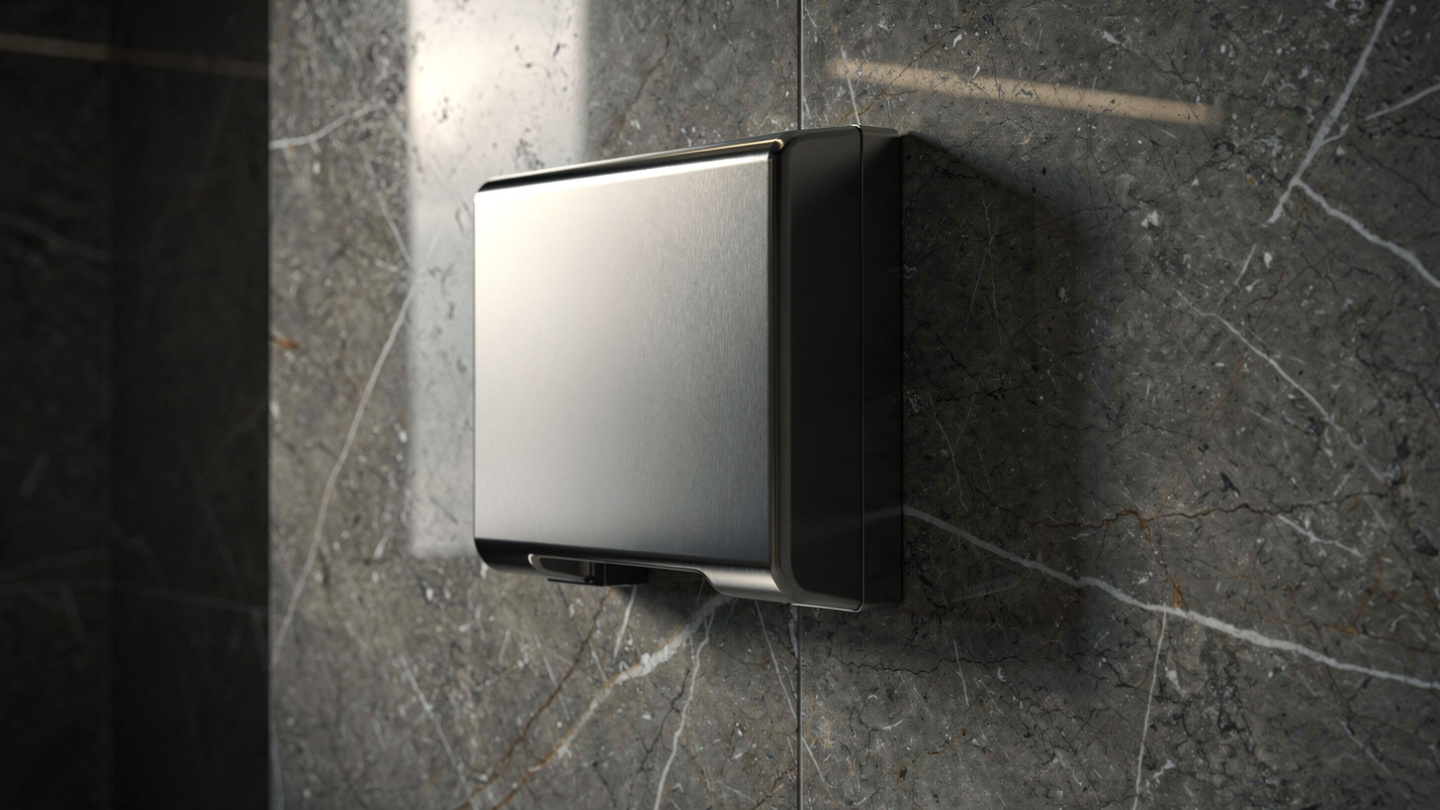
No hand dryer is perfect for every washroom. The best purchase is usually the model that balances the most important requirements for the specific location. Faster dryers can reduce queues, but they may be louder. Compact dryers save space, but may not be ideal for very high-traffic bathrooms. Premium dryers cost more upfront, but can be worthwhile where durability, lower running costs and user experience matter.
Similarly, a very quiet dryer may suit a boutique office or restaurant but may feel too slow for a public facility. A heavy-duty stainless steel dryer may be ideal for a school or public toilet but unnecessary for a low-use private staff bathroom. Understanding these trade-offs helps avoid both overbuying and underbuying.
Questions to Ask Before Buying
Before choosing a commercial hand dryer, it is useful to answer a few practical questions. These will help narrow the options and reduce the risk of selecting a model that does not suit the bathroom.
- How many people are likely to use the bathroom each day?
- Is the washroom used by staff, customers, students or the general public?
- Is drying speed more important than quiet operation?
- Is the bathroom small, narrow or close to noise-sensitive areas?
- Does the environment require vandal-resistant construction?
- Will the dryer be easy for cleaners to access and maintain?
- Is the wall suitable for mounting the dryer securely?
- Are there accessibility requirements to consider?
- Does the finish need to match other bathroom fittings?
- What are the likely long-term running costs compared with paper towels?
Conclusion: Choosing the Best Hand Dryer for Your Commercial Bathroom
The best hand dryer for a commercial bathroom is the one that suits the washroom’s traffic level, layout, user expectations and maintenance conditions. For small offices and low-use bathrooms, a compact, quiet and efficient automatic dryer may be the most practical choice. For restaurants and hospitality venues, appearance, hygiene and noise control should be carefully balanced. For schools, gyms and public toilets, durability, drying speed and vandal resistance are usually more important.
Buyers should look beyond the initial purchase price and consider the total cost of ownership, including energy use, cleaning, maintenance, reliability and the potential reduction in paper towel waste. A well-chosen commercial hand dryer can improve washroom convenience, reduce ongoing costs and provide a cleaner, more efficient hand-drying solution for staff, customers and visitors.