Energy Efficient Hand Dryers
What to Look For Before You Buy

Choosing an energy efficient hand dryer is not simply a matter of finding the lowest wattage model. The best choice depends on the type of washroom, the number of users, the expected drying speed, hygiene requirements, noise sensitivity, installation conditions, and long-term running costs. A hand dryer that performs well in a quiet office bathroom may not be suitable for a busy school, gym, restaurant, shopping centre, or public facility.
Before buying, it is worth looking beyond the headline claims and considering how the dryer will perform in real use. A genuinely efficient hand dryer should dry hands quickly, use power intelligently, be durable enough for the environment, and remain practical to maintain over many years. This guide explains the main factors to compare so you can choose a model that suits your washroom rather than simply choosing the most powerful or cheapest option available.
Start with the Type of Bathroom or Washroom
The first question is where the hand dryer will be installed. Different environments place very different demands on a dryer. A small office bathroom may only need a compact, quiet model used a few times per hour. A gym, school, restaurant, airport, shopping centre, or public amenity may need a faster, more robust dryer that can handle frequent use throughout the day.
For low-traffic washrooms, energy efficiency often comes from choosing a modestly powered dryer with sensible drying performance. For high-traffic commercial washrooms, efficiency is more closely linked to drying time. A more powerful dryer that dries hands in less time may use less total energy per dry than a low-powered model that runs for much longer.
Residential or home bathroom use is different again. Most commercial hand dryers are designed for durability, compliance, and repeated use, which may be more than is required in a private home. However, a compact commercial-grade model can still be suitable for home gyms, pool areas, workshops, or accessible bathrooms where paper towels are inconvenient.
Understand Wattage Versus Real Energy Use
Wattage tells you how much electrical power the hand dryer uses while it is operating, but it does not tell the full story. A 700-watt dryer that takes 25 seconds to dry hands may use a similar or greater amount of energy per use than a 1,200-watt dryer that completes the job much faster. When comparing models, consider both power rating and average drying time.
A practical way to think about energy efficiency is energy per dry, not just watts. Drying time, motor efficiency, air speed, heater use, sensor accuracy, and user behaviour all affect total consumption. Some modern dryers reduce energy use by using high-speed air rather than relying heavily on heat. Others allow the heating element to be switched off, which can significantly reduce running costs in warm climates or well-heated buildings.
If the washroom receives heavy traffic, even small differences in drying time and power consumption can add up over a year. For facilities managers, offices, schools, restaurants, gyms, and hospitality venues, running cost should be assessed over the expected life of the dryer, not only at the purchase price.
Compare Drying Speed Carefully
Drying speed matters because it affects user satisfaction, queueing, energy use, and washroom flow. In busy commercial washrooms, slow dryers can frustrate users and lead to people leaving with damp hands, using toilet paper instead, or creating congestion near the basin area. A faster dryer can improve hygiene habits by making it easier for people to dry their hands properly.
However, very fast dryers often use high-velocity air, which may increase noise. This is not always a problem in a gym, stadium, school, or public facility, but it may be important in offices, restaurants, hotels, childcare centres, healthcare settings, or washrooms located near meeting rooms, dining areas, or guest rooms.
When comparing drying speed, look for realistic performance rather than vague claims. Consider whether the stated drying time reflects practical use and whether users need to move their hands around to get a complete dry. A dryer that is technically fast but awkward to use may not perform as well in everyday conditions.
Decide Whether You Need Heated or Unheated Air
Traditional hand dryers often used heated air to evaporate moisture. Many energy efficient models now rely more on high-speed airflow to physically remove water from the hands. This can reduce energy consumption because heating elements are usually among the highest energy-consuming parts of a dryer.
Heated air can feel more comfortable in cooler environments, especially in winter or in buildings where bathrooms are not well heated. In warm climates, high-speed unheated or low-heat drying may be more economical and still comfortable for most users. Some models offer adjustable heat settings or an option to disable the heater, giving more flexibility across seasons.
The trade-off is comfort versus running cost. If the dryer is being installed in a premium hotel, restaurant, office, or hospitality venue, user comfort may carry more weight. In schools, gyms, public facilities, and high-volume commercial washrooms, reduced energy use and fast throughput may be more important.
Consider Hygiene Features
Hygiene is a key reason many businesses move away from paper towels. Automatic sensor operation reduces touchpoints because users do not need to press a button. This is now common on commercial hand dryers and is generally preferable for shared washrooms.
Some dryers include filters, antimicrobial surfaces, or enclosed drying areas. These features may be useful in certain environments, but they should be considered alongside maintenance requirements. A filtered dryer can help manage air quality, but the filter must be checked and replaced according to the manufacturer’s instructions. If maintenance is neglected, the benefit may be reduced.
For food service, healthcare-adjacent settings, childcare, aged care, and high-use public washrooms, hygiene should be considered as part of the whole washroom design. Basin placement, splash control, cleaning schedules, ventilation, waste management, and user behaviour all matter. The hand dryer should support good hygiene practices without creating excessive mess or requiring unrealistic maintenance.
Check Noise Levels Before Choosing a High-Speed Model
Noise is one of the most common complaints about modern high-speed hand dryers. A powerful dryer may be ideal in a noisy public environment but disruptive in a quiet workplace, restaurant, hotel, library, clinic, or office bathroom. If the washroom is close to occupied rooms, acoustic comfort should be part of the buying decision.
Manufacturers may provide sound ratings, but perceived noise also depends on the room. Hard surfaces such as tiles, mirrors, stone benchtops, and concrete can reflect sound and make a dryer seem louder. Small bathrooms often amplify noise more than larger washrooms. Installing multiple high-speed dryers in a compact space can also increase the perceived sound level.
The practical trade-off is clear: faster drying usually means stronger airflow, and stronger airflow can mean more noise. If noise is a priority, look for a model designed for quieter operation, even if the drying time is slightly longer. In premium environments, a slightly slower but quieter dryer may produce a better overall user experience.
Match the Dryer to Expected Traffic Level
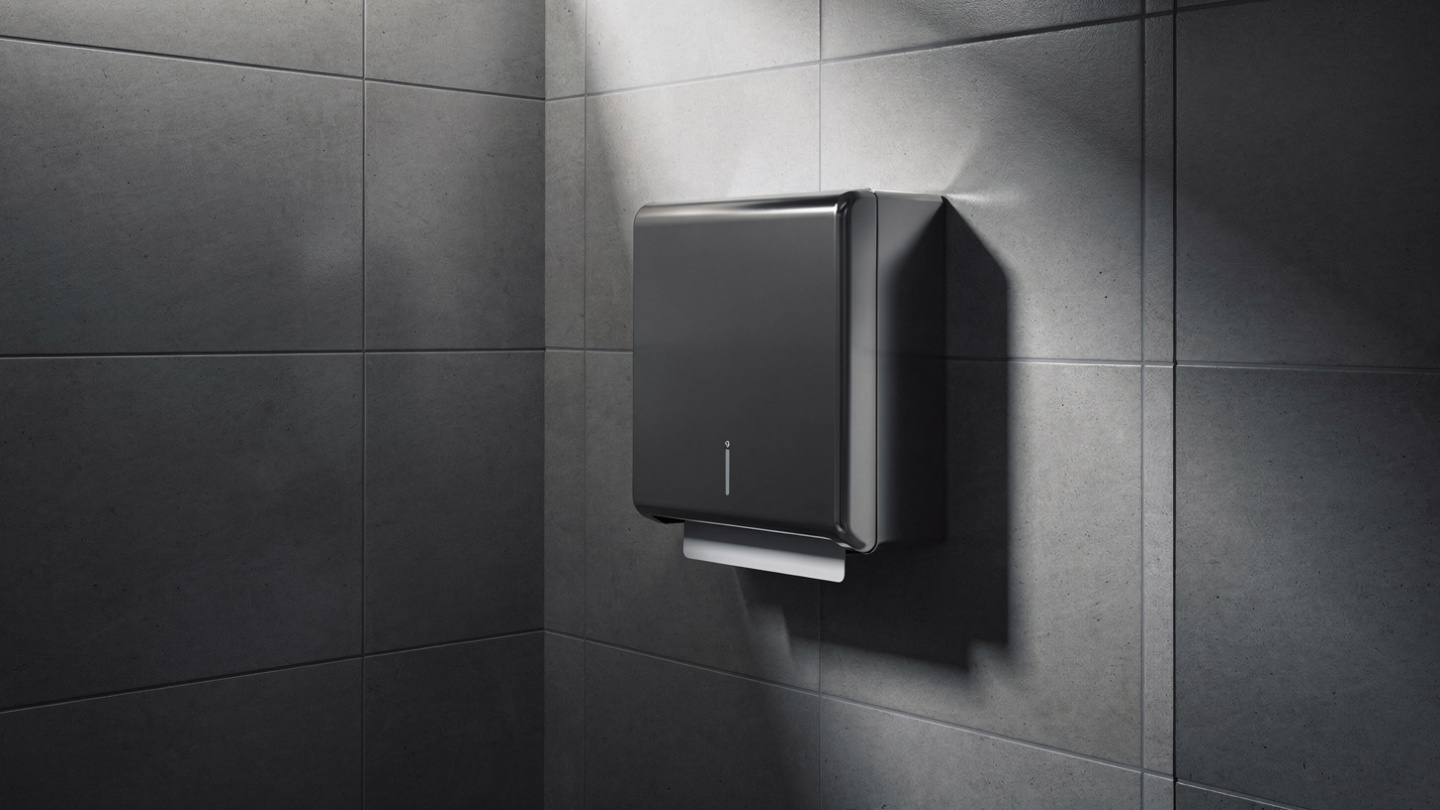
Traffic level affects almost every part of the decision. A low-traffic bathroom may not justify a premium heavy-duty model, while a high-traffic washroom can quickly expose the weaknesses of a cheaper dryer. In busy locations, durability, speed, ease of cleaning, and serviceability become more important.
As a general guide, low-traffic locations include small offices, private clinics, staff bathrooms, and residential-style amenities. Medium-traffic locations include restaurants, cafes, shared office buildings, showrooms, and smaller gyms. High-traffic locations include schools, universities, shopping centres, airports, stadiums, large gyms, public toilets, and transport facilities.
For high-traffic sites, look for robust construction, reliable sensor operation, suitable duty cycle, easy access for cleaning, and a casing that can withstand frequent use. A cheaper dryer that fails early, dries slowly, or causes user complaints may cost more in the long run than a better-quality model purchased upfront.
Look at Installation Requirements
Before purchasing, check whether the dryer can be installed safely and practically in the intended location. Installation requirements may include electrical supply, mounting height, wall strength, clearance around the unit, access for maintenance, and compliance with relevant electrical and building requirements.
Some hand dryers are hardwired, while others may be designed for plug-in installation depending on the model and local regulations. Commercial washrooms generally require professional installation by a qualified electrician. This is especially important in wet areas, accessible bathrooms, schools, public buildings, and hospitality venues.
Wall construction should also be considered. A heavy-duty stainless steel dryer needs secure fixing, particularly in public or high-use environments. Lightweight partitions may require reinforcement. Placement matters too: the dryer should be close enough to the basins to encourage use, but positioned so water is not blown onto floors, mirrors, doors, or pedestrian pathways.
Assess Durability and Vandal Resistance
Durability is essential in commercial washrooms. The casing material, motor quality, sensor reliability, and internal components all influence how well the dryer performs over time. Stainless steel or robust metal casings are often preferred in demanding environments because they resist impact better than lightweight plastic housings.
Vandal resistance is particularly important for schools, public toilets, transport facilities, entertainment venues, sports centres, and unsupervised amenities. In these settings, consider models with tamper-resistant fixings, strong casings, concealed screws, and simple surfaces that are difficult to damage or misuse.
For lower-risk environments such as offices, showrooms, boutique hospitality venues, or private staff bathrooms, appearance and quiet operation may matter more than vandal resistance. The best choice is not always the toughest-looking dryer; it is the model that matches the level of risk and use.
Compare Running Costs with Paper Towels
One of the main commercial reasons to install hand dryers is to reduce the ongoing cost and waste associated with paper towels. Paper towels require constant restocking, storage space, waste collection, bin liners, cleaning labour, and disposal. In busy washrooms, these costs can be substantial.
Hand dryers have a higher upfront cost but lower consumable requirements. Their running costs mainly come from electricity use, occasional servicing, and any filter replacement if applicable. Over time, an efficient dryer can reduce operating costs, especially where washroom traffic is moderate to high.
When comparing costs, consider the full picture. A very cheap dryer may use more energy, take longer to dry hands, create more complaints, or require earlier replacement. A premium model may be more economical over its lifespan if it is faster, more durable, easier to maintain, and better suited to the site.
Think About Maintenance and Cleaning
An energy efficient hand dryer should be easy to keep clean. Smooth surfaces, simple shapes, accessible air inlets, and durable finishes make routine cleaning easier. In commercial settings, cleaning staff need to be able to wipe the unit quickly without dealing with awkward crevices or fragile parts.
Sensor areas should be kept clean so the dryer activates reliably. Air intakes should not be blocked by dust, lint, or debris. If the dryer has a filter, maintenance schedules should be realistic for the facility. A model with excellent filtration may not be the best choice if no one is responsible for checking and replacing filters.
Maintenance planning is especially important for schools, gyms, shopping centres, hospitality venues, and public facilities where dryers are used heavily. Easy maintenance reduces downtime and helps preserve drying performance, hygiene, and energy efficiency.
Choose a Style and Finish That Suits the Space
Hand dryers are highly visible in a washroom, so style and finish should not be ignored. Stainless steel is popular in commercial and hospitality settings because it looks professional and is generally durable. White finishes can suit healthcare, education, office, and simple utility spaces. Dark or brushed finishes may suit premium bathrooms, restaurants, hotels, and modern interiors.
While appearance matters, it should not override practical suitability. A stylish compact dryer may look right in a restaurant bathroom but may not be robust enough for a busy public facility. Conversely, an industrial-looking high-speed dryer may be excessive in a small office washroom where quiet operation and visual discretion are more important.
Also consider how the finish will age. Glossy surfaces may show fingerprints and water marks more easily. Brushed or satin finishes may be more forgiving in high-use areas. In coastal or humid environments, corrosion resistance and cleaning practices should be considered carefully.
Understand Commercial Versus Residential Suitability
Most buyers comparing hand dryers are looking for a commercial solution, even if the bathroom itself is small. Commercial models are generally designed for more frequent use, stronger mounting, better durability, and compliance with shared washroom expectations. They are usually the right choice for offices, restaurants, retail stores, schools, gyms, warehouses, hotels, medical suites, and public facilities.
Residential use may call for a different balance. In a private home, drying speed and vandal resistance are usually less important than compact size, noise level, appearance, and ease of installation. However, if the dryer will be used in a home business, pool area, workshop, studio, or accessible bathroom, a small commercial-grade dryer may still be appropriate.
The key is to avoid under-specifying the dryer for a commercial location. A domestic-style or very light-duty unit may not cope with repeated daily use. In a business or public environment, reliability and user experience should be treated as part of the facility’s overall presentation.
Consider Accessibility and User Comfort
A good hand dryer should be easy for a wide range of people to use. Mounting height, reach, activation method, drying area, and airflow direction all affect accessibility. Automatic operation is generally easier than push-button activation, especially for people with limited hand mobility.
In accessible bathrooms, placement is particularly important. The dryer should be positioned so users can reach it comfortably without creating obstacles or forcing awkward movement. It should not project unnecessarily into circulation space, and it should be installed at a height that suits the intended users and relevant accessibility guidance.
User comfort also includes avoiding excessive heat, harsh airflow, confusing operation, or water being blown onto clothing. A dryer that is technically efficient but unpleasant to use may lead to poor hand drying habits, which undermines both hygiene and customer satisfaction.
Balance Upfront Price Against Lifetime Value
It is tempting to choose the cheapest hand dryer, especially when fitting out multiple bathrooms. However, purchase price is only one part of the cost. The better question is how much the dryer will cost to own, operate, clean, and maintain over its working life.
A higher-quality energy efficient dryer may justify its price if it reduces electricity use, dries faster, lasts longer, requires less maintenance, and performs reliably in a demanding washroom. This is particularly true for high-traffic venues where a poor-performing dryer can create complaints, mess, queues, or frequent replacement costs.
For low-traffic areas, a simpler model may be the sensible choice. There is no need to overbuy for a small staff bathroom used only occasionally. The right value comes from matching the dryer’s performance and construction to the actual use case.
Key Features Worth Comparing
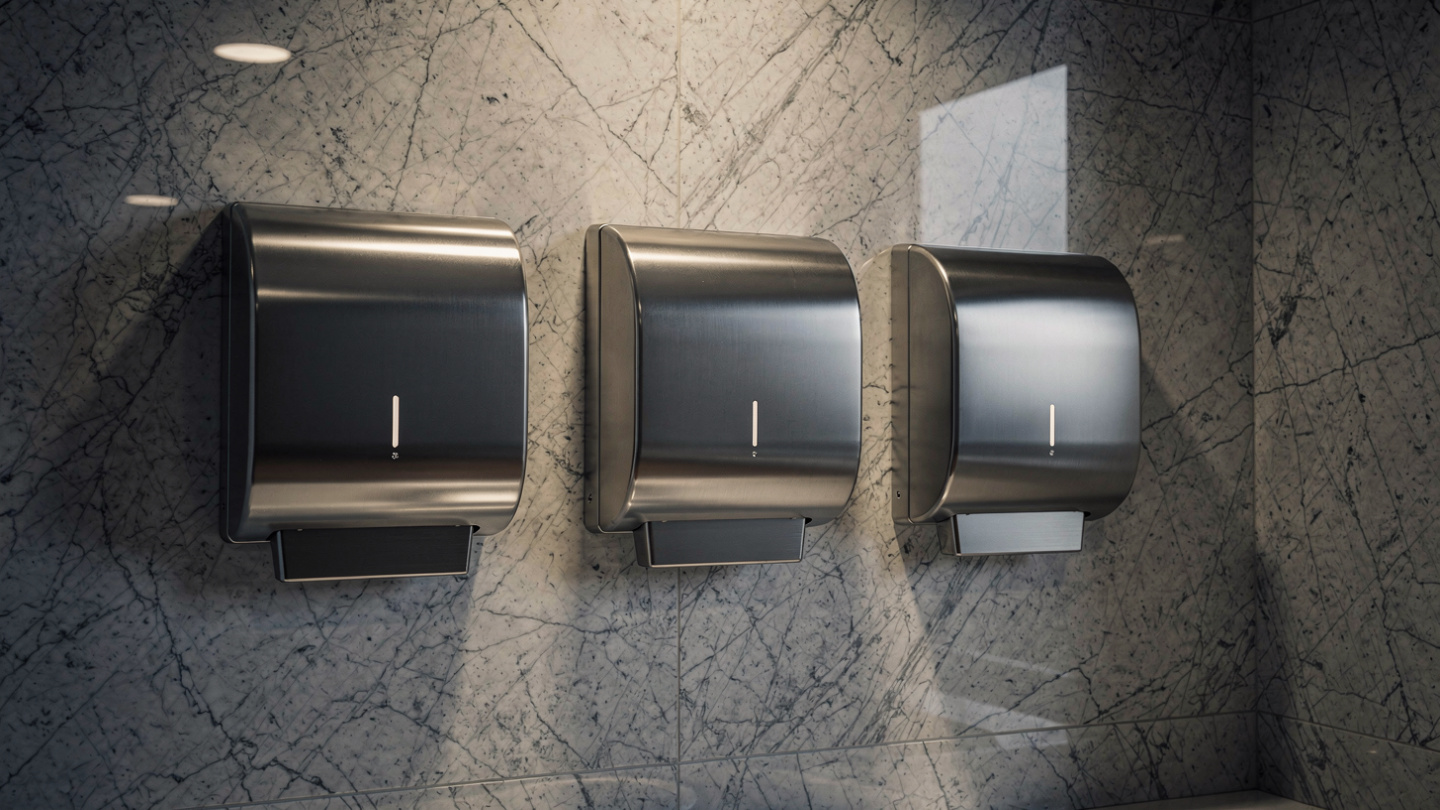
When narrowing down your options, compare features that affect real-world performance rather than relying only on marketing claims. The most useful points of comparison include drying speed, energy use per dry, noise level, casing material, sensor reliability, installation method, heater control, filter requirements, warranty support, and suitability for the expected traffic level.
- For small offices and low-use bathrooms, prioritise quiet operation, compact size, neat appearance, and reasonable energy use.
- For restaurants, hotels, and hospitality venues, balance drying speed, noise control, finish, comfort, and overall presentation.
- For schools, gyms, public toilets, and transport facilities, focus on durability, vandal resistance, fast drying, and easy maintenance.
- For high-traffic commercial washrooms, consider lifetime running costs, reliability, service access, and user throughput.
The best hand dryer is the one that fits the environment. A premium high-speed model may be an excellent investment in a busy venue, while a quieter compact dryer may be the better choice for a small office or boutique bathroom.
Conclusion: Choosing the Right Energy Efficient Hand Dryer
An energy efficient hand dryer should reduce running costs without compromising usability, hygiene, or durability. To make the right choice, start with the washroom type and traffic level, then compare drying speed, power consumption, noise, installation requirements, maintenance needs, and build quality. Do not judge efficiency by wattage alone; consider how quickly and effectively the dryer completes each use.
For quiet offices, small commercial bathrooms, and lower-traffic spaces, a compact, low-noise, energy-conscious dryer is usually the most practical choice. For restaurants, hotels, and customer-facing venues, look for a balance of appearance, comfort, speed, and noise control. For schools, gyms, public facilities, and high-traffic washrooms, prioritise robust construction, fast drying, easy cleaning, and long-term reliability.
The right model should suit the people using the washroom, the conditions of the site, and the operating costs of the business. By considering performance, efficiency, hygiene, durability, and maintenance together, you can choose a hand dryer that delivers better value over time and provides a more practical experience for users.