High Speed vs Standard Hand Dryers
Which Is Better for Your Washroom?
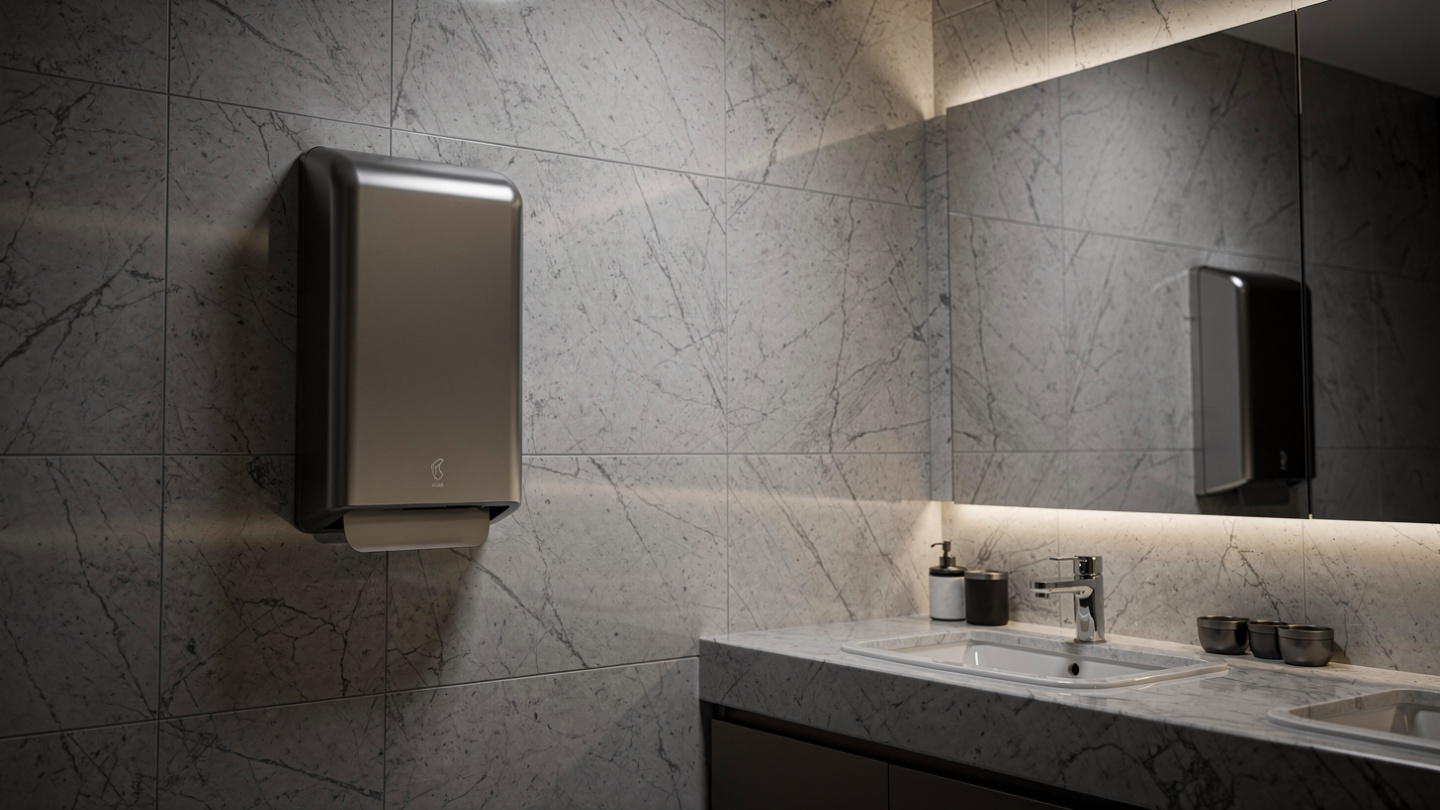
Choosing between a high speed hand dryer and a standard hand dryer is not simply a matter of buying the fastest model available. The better choice depends on the type of washroom, how many people use it, how much noise is acceptable, how important energy efficiency is, and what level of durability is required. A hand dryer that works well in a quiet office bathroom may not be suitable for a busy school, gym, shopping centre, restaurant, or public facility.
In practical terms, high speed hand dryers are usually better for commercial washrooms where speed, user convenience, and lower running costs are important. Standard hand dryers may still suit lower-traffic bathrooms, smaller budgets, or environments where noise reduction is more important than drying time. The right decision comes from understanding the trade-offs.
What Is the Difference Between High Speed and Standard Hand Dryers?
A standard hand dryer typically uses warm air and a moderate airflow to evaporate water from the hands. These models often take longer to dry hands and may rely more heavily on heat than air speed. They are usually simple, familiar, and often less expensive to purchase upfront.
A high speed hand dryer uses a stronger motor and faster airflow to remove water from the hands more quickly. Some models use concentrated air blades, while others use powerful nozzles or wide air outlets. Many modern high speed dryers are designed to reduce drying time, limit energy use, and improve the overall washroom experience.
The key distinction is that standard dryers tend to prioritise simplicity and lower initial cost, while high speed dryers prioritise performance, efficiency, and throughput. This matters most in washrooms where several people may need to dry their hands in a short period of time.
Drying Speed and User Experience
Drying speed is one of the strongest reasons to choose a high speed hand dryer. In busy washrooms, slow drying can create frustration, queues, and poor hygiene habits if users leave with wet hands. Wet hands can transfer more moisture to door handles, tapware, partitions, and other surfaces, so effective drying is an important part of a good washroom setup.
High speed dryers are designed to dry hands quickly, often using forceful air to push water off the skin rather than relying only on evaporation. This can make them more satisfying to use and more suitable for venues where people expect efficient facilities, such as offices, restaurants, airports, gyms, hotels, and entertainment venues.
Standard hand dryers can still be acceptable in lower-use bathrooms where speed is less critical. For example, a small staff bathroom, a private office, or a low-traffic residential-style washroom may not need the fastest dryer. However, if users regularly have to wait or if people avoid using the dryer because it takes too long, a high speed model is usually the better long-term option.
Traffic Level: Matching the Dryer to the Washroom
The expected traffic level should be one of the first buying considerations. A hand dryer in a quiet office bathroom has a very different workload from one in a school, sports centre, shopping centre, petrol station, or public toilet block.
For high-traffic washrooms, high speed hand dryers are generally more suitable because they move users through the drying area faster. This can reduce congestion, improve the perceived quality of the facility, and help prevent people from wiping hands on clothing or leaving the washroom with wet hands.
For medium-traffic bathrooms, the decision depends on priorities. A high speed dryer may provide better user satisfaction and lower energy use, while a standard dryer may be sufficient if the washroom is not used heavily throughout the day. For low-traffic bathrooms, a standard dryer can be a practical choice when budget is a major factor and performance demands are modest.
- Choose high speed dryers for schools, gyms, restaurants, shopping centres, public facilities, airports, hotels, and busy offices.
- Consider standard dryers for smaller offices, staff-only bathrooms, low-use amenities, and budget-conscious installations.
- Use more than one dryer in large or busy washrooms to avoid bottlenecks, regardless of dryer type.
Energy Efficiency and Running Costs
Running costs are often misunderstood. A high speed dryer may use a powerful motor, but because it dries hands faster, it may operate for less time per use. Many modern high speed dryers are also designed to use less energy than older warm-air models, particularly if they use minimal heat or allow the heating element to be switched off.
Standard warm-air dryers may appear economical because they are often cheaper to buy, but they can cost more to run if they take significantly longer to dry hands or rely heavily on heating elements. In a busy commercial washroom, the difference in electricity use can become meaningful over time.
When comparing models, look beyond the purchase price. Consider power consumption, average drying time, expected number of daily uses, and whether the dryer uses heated air, unheated air, or selectable heat settings. In a high-use facility, a more efficient high speed dryer may justify a higher upfront cost through lower running costs and improved user flow.
Noise Level: A Key Trade-Off
One of the main trade-offs with high speed hand dryers is noise. Faster airflow usually means a louder dryer, although better-designed models may manage sound more effectively through motor design, air outlet design, insulation, and casing construction.
Noise matters more in some settings than others. In schools, gyms, stadiums, and public amenities, a louder dryer may be acceptable if it performs well and is durable. In offices, restaurants, hotels, medical centres, childcare facilities, aged care settings, and hospitality washrooms, excessive noise can be disruptive or unpleasant.
Standard hand dryers are not always quiet, but they are often perceived as less intense because the airflow is slower. If sound is a major concern, look for low-noise high speed models, adjustable motor settings, or dryers specifically designed for quieter environments. The best choice is not always the fastest dryer; it is the dryer that balances speed with comfort for the people using the washroom.
Hygiene Considerations
Good hand drying supports hygiene because damp hands can spread moisture and contaminants more easily than dry hands. Both standard and high speed dryers can be hygienic when they are well designed, correctly installed, and regularly cleaned. The washroom layout, cleaning schedule, and user behaviour also matter.
Touch-free operation is strongly recommended for commercial washrooms. Automatic sensors reduce the need to press buttons and help limit contact with shared surfaces. Many modern high speed dryers include touch-free activation as standard, although touch-free standard dryers are also available.
Some hand dryers include features such as air filtration, antimicrobial surfaces, or internal water collection systems. These can be useful in certain environments, but they should not replace regular cleaning. For food service, healthcare-adjacent, childcare, or premium hospitality settings, hygiene features may be worth prioritising. For general commercial washrooms, reliable touch-free operation, fast drying, and easy cleaning are usually the most important factors.
Installation Requirements
Before buying any hand dryer, check the installation requirements carefully. Hand dryers are electrical appliances and should be installed by a qualified electrician in accordance with local regulations. The location, mounting height, wall strength, wiring, clearance, and proximity to basins all need to be considered.
High speed dryers may require more careful placement because their airflow is stronger. If installed too close to a basin, mirror, paper towel bin, or doorway, the airflow may cause water spray, noise issues, or inconvenience. Some blade-style dryers also need enough space for users to place their hands comfortably into the drying area.
Standard dryers are often compact and simple to install, which can make them useful for smaller bathrooms or retrofit projects. However, compact size should not be the only factor. The dryer still needs to be positioned where users naturally expect it, at a suitable height, and away from obstructions.
Durability and Vandal Resistance
Durability is especially important in schools, public toilets, transport facilities, sports venues, pubs, clubs, and other locations where equipment may receive heavy or rough use. A hand dryer in these settings should have a robust casing, secure fixings, reliable internal components, and a design that is difficult to tamper with.
High speed dryers intended for commercial use are often built for frequent operation, but not all models are equally robust. A premium dryer designed for a corporate office may not be the best choice for a vandal-prone public facility. In tougher environments, consider metal covers, tamper-resistant screws, strong mounting plates, and simple designs with fewer exposed parts.
Standard dryers can also be durable, particularly if they have a metal casing and a proven commercial design. For low-risk environments, appearance and quiet operation may matter more. For high-risk environments, vandal resistance and serviceability should be prioritised over sleek styling.
Maintenance and Cleaning
Hand dryers generally require less consumable maintenance than paper towels because there are no towel refills, overflowing bins, or paper waste to manage. However, they are not maintenance-free. Sensors, air outlets, covers, filters, and surrounding wall areas should be cleaned regularly.
High speed dryers may need more attention around the air outlet because stronger airflow can move water droplets onto nearby surfaces if the unit is poorly placed or heavily used. Some models have filters that need periodic cleaning or replacement. Others may include water trays or internal reservoirs, particularly hands-in blade-style dryers, which must be emptied and cleaned as recommended by the manufacturer.
Standard dryers are often simpler to maintain, but they can still collect dust and grime over time. A slow or poorly maintained dryer can also encourage users to shake water onto floors or walls, creating slip risks and extra cleaning work. Maintenance should be judged not only by the dryer itself, but by how it affects the whole washroom.
Style, Finish, and Washroom Design
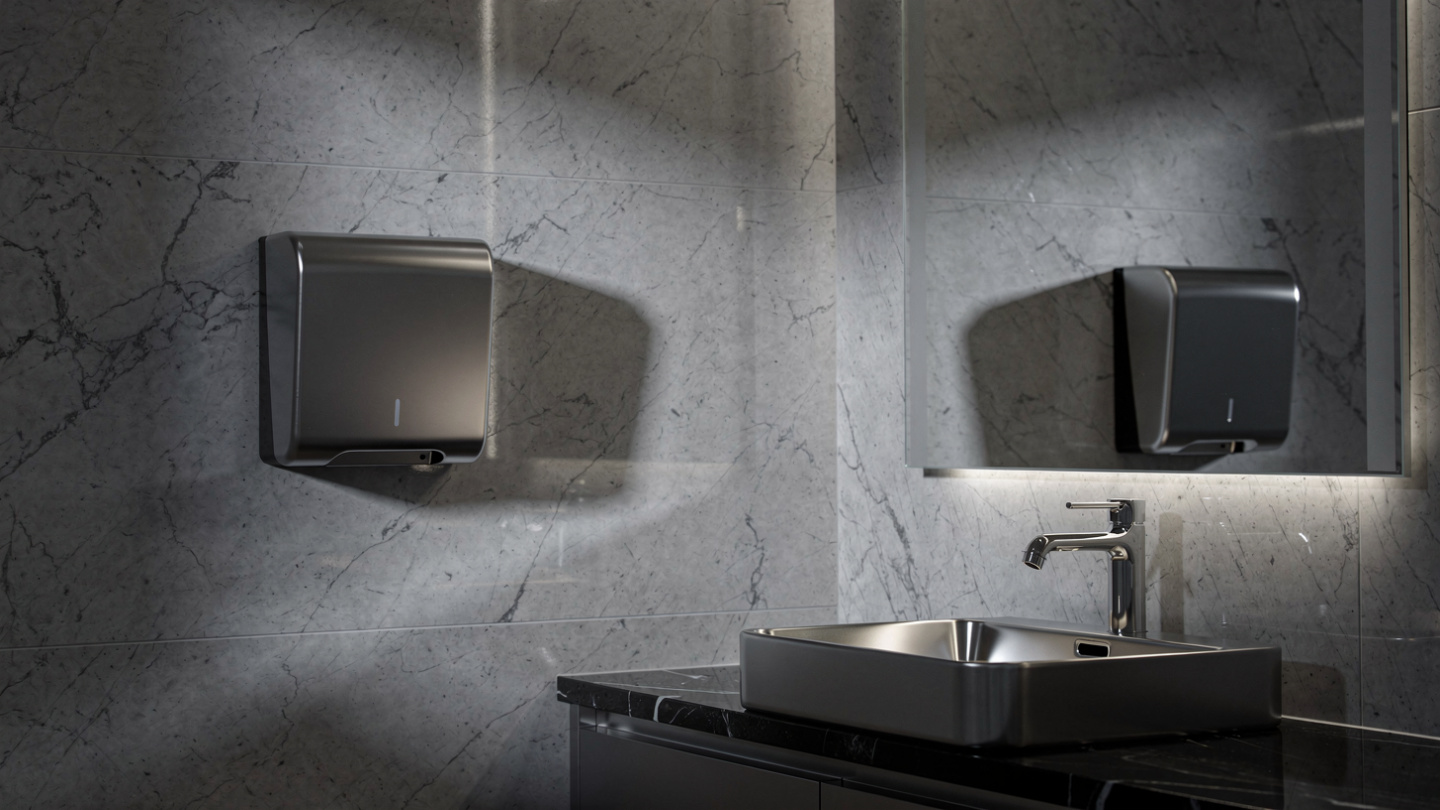
The appearance of a hand dryer matters in customer-facing environments. A stainless steel, matte black, white, or brushed metal finish may suit different interiors. Restaurants, hotels, offices, showrooms, and premium venues often favour dryers that match tapware, accessories, partitions, or overall bathroom design.
High speed dryers are available in a range of styles, from compact wall-mounted units to larger blade-style designs. Standard dryers are often more traditional in appearance and may be suitable where the dryer needs to be unobtrusive. In smaller bathrooms, a compact dryer can help preserve wall space and reduce visual clutter.
For commercial washrooms, style should support practicality. A beautiful dryer that is too loud, too slow, hard to clean, or unsuitable for traffic levels will not be a good investment. The best result comes from matching the finish and design to the venue while still prioritising performance and durability.
Commercial Versus Residential Use
Commercial hand dryers are designed for repeated use, stronger mounting, better durability, and compliance with the expectations of public or workplace environments. They are generally the right choice for offices, restaurants, cafés, gyms, schools, shops, warehouses, healthcare facilities, and hospitality venues.
Residential bathrooms usually have much lower usage levels. A standard or compact hand dryer may be sufficient for a home, private studio, or small residential-style bathroom. However, many homeowners who want a modern, paper-free bathroom still prefer compact high speed dryers because they dry faster and feel more convenient.
The mistake to avoid is installing a light-duty or residential-style unit in a commercial washroom simply because it is cheaper. In a busy venue, an under-specified dryer may wear out faster, frustrate users, and cost more in the long run.
When a High Speed Hand Dryer Is the Better Choice
A high speed hand dryer is usually the better option when the washroom is used frequently, when user convenience matters, or when reducing operating costs is a priority. It is particularly suitable for venues where people expect efficient facilities and where slow drying would cause queues or dissatisfaction.
High speed models are also a strong choice when replacing paper towels. They can reduce waste handling, help keep bins from overflowing, and lower the need for constant restocking. In high-traffic settings, this can make a noticeable difference to cleaning routines and facility management.
The main points to check are noise level, installation space, durability, and cleaning requirements. A high speed dryer should be selected carefully rather than chosen only because it has the fastest advertised drying time.
When a Standard Hand Dryer May Be Enough
A standard hand dryer may be enough for a low-traffic bathroom where budget is limited and drying speed is not critical. It can also suit spaces where a softer airflow or lower perceived noise is preferred, provided users are still able to dry their hands properly.
Standard models may be appropriate for small offices, staff-only amenities, residential bathrooms, or locations where the dryer will only be used occasionally. They can also be a practical choice when replacing an older unit in the same location and the existing electrical setup is already suitable.
The risk with standard dryers is that users may find them too slow in busier settings. If people regularly walk away with wet hands, the lower purchase price may not represent good value. In commercial environments, user behaviour is often the best test of whether a dryer is truly suitable.
Practical Buying Checklist
Before choosing between a high speed and standard hand dryer, assess the washroom as a whole rather than focusing only on the appliance. The right model should suit the number of users, the available wall space, the cleaning routine, and the expectations of the venue.
- Washroom type: Offices, restaurants, schools, gyms, public amenities, and hospitality venues all have different requirements.
- Traffic level: Higher traffic usually favours faster drying and more durable construction.
- Drying speed: Faster drying improves user satisfaction and helps reduce congestion.
- Noise level: Consider nearby dining areas, offices, hotel rooms, classrooms, or quiet zones.
- Energy use: Compare power consumption with drying time, not just wattage alone.
- Hygiene: Touch-free operation and easy-clean surfaces are important for commercial washrooms.
- Installation: Check electrical requirements, wall strength, mounting position, and clearance.
- Durability: Public and high-use areas may require vandal-resistant construction.
- Maintenance: Consider filters, water trays, sensor cleaning, and access for servicing.
- Appearance: Choose a finish and shape that suits the washroom without compromising function.
Conclusion: Which Is Better for Your Washroom?
For most commercial washrooms, a high speed hand dryer is the better long-term choice. It dries hands faster, improves user flow, can reduce running costs, and is better suited to busy environments. This makes it especially appropriate for offices, restaurants, schools, gyms, hospitality venues, shopping centres, and public facilities.
A standard hand dryer can still be a sensible option for low-traffic bathrooms, smaller budgets, or settings where drying speed is not a major concern. It may also suit quieter spaces if the model is reliable and users are not likely to be frustrated by a longer drying time.
The best decision is based on the washroom’s real conditions. Choose a high speed dryer if you need fast performance, efficient operation, and commercial durability. Choose a standard dryer if the bathroom is lightly used and simplicity is more important than speed. In either case, the most suitable hand dryer is the one that fits the traffic level, installation space, hygiene expectations, maintenance routine, and overall standard of the venue.