Touch-Free Hand Dryers
Benefits for Hygiene, Convenience and Modern Bathrooms
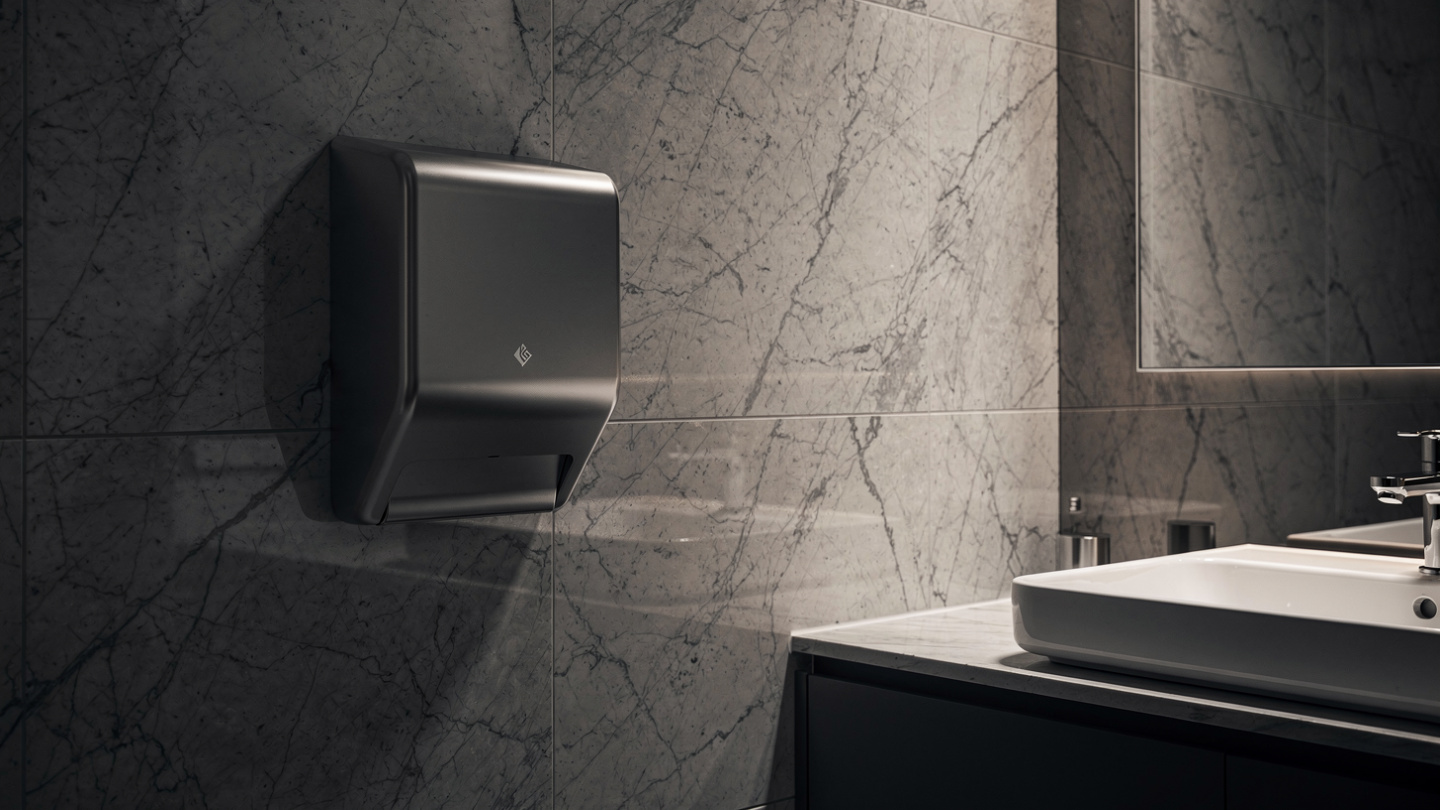
Touch-free hand dryers are now a practical choice for many bathrooms and commercial washrooms, not only because they look modern, but because they help reduce contact points, improve user convenience and lower ongoing consumable costs. For businesses, public facilities and hospitality venues, the right hand dryer can make a noticeable difference to hygiene standards, washroom presentation, maintenance workload and long-term operating expenses.
Choosing a touch-free hand dryer is not simply a matter of selecting the most powerful model available. The best option depends on the type of washroom, expected traffic, noise sensitivity, available wall space, installation conditions, durability requirements and the level of finish expected by customers, staff or visitors. A small office bathroom has very different needs from a school change room, airport washroom, shopping centre toilet block or restaurant restroom.
What Makes a Hand Dryer Touch-Free?
A touch-free hand dryer uses a sensor to activate the motor and heating or air-speed system when hands are placed beneath or inside the drying area. The user does not need to press a button, turn a dial or touch the appliance. This is especially useful in shared bathrooms where many people use the same facilities throughout the day.
Most touch-free models use infrared or proximity sensors. When the sensor detects hands, the dryer starts automatically and stops after the hands are removed or after a built-in safety timeout. This automatic operation helps prevent unnecessary energy use, reduces wear from repeated button pressing and creates a cleaner, more convenient washroom experience.
Hygiene Benefits in Shared Washrooms
One of the main reasons customers choose touch-free hand dryers is hygiene. In any shared washroom, door handles, taps, soap dispensers and hand drying equipment can become frequent contact points. A sensor-operated dryer removes one of those touch points, which is particularly valuable in offices, schools, healthcare-adjacent environments, food service venues, gyms and public amenities.
Touch-free drying also supports a more orderly washroom. Paper towel bins can overflow quickly in busy locations, especially during peak periods. Overflowing waste can make a bathroom look poorly maintained and may create additional cleaning demands. A hand dryer removes the need for paper towel disposal, helping keep the area around the basins cleaner and easier to manage.
For higher hygiene expectations, buyers should consider models with features such as enclosed drying zones, easy-clean surfaces, removable filters or antimicrobial-style design elements where available. It is important not to assume that every touch-free dryer offers the same hygiene performance. The design of the air outlet, the ease of cleaning, the surrounding wall protection and the maintenance routine all influence the final result.
Convenience for Users and Facility Managers
Touch-free dryers are simple to use, which matters in bathrooms used by visitors, children, elderly people or people unfamiliar with the facility. A good dryer should activate quickly, dry hands efficiently and be positioned at a comfortable height. The experience should feel intuitive rather than requiring instructions.
For facility managers, the convenience is different but just as important. Electric hand dryers reduce the need to store, restock and dispose of paper towels. This can be a major advantage in offices, restaurants, gyms, warehouses, schools and public venues where cleaning staff already manage multiple daily tasks. Fewer consumables can mean fewer supply interruptions and less time spent dealing with waste.
Choosing Based on Washroom Type
The type of bathroom or washroom should guide the buying decision. A residential bathroom, private office toilet or boutique hospitality restroom may prioritise appearance, compact size and low noise. A high-traffic commercial washroom usually needs faster drying, stronger construction, reliable components and lower running costs over many uses per day.
Restaurants, hotels and retail spaces often need a balance of performance and presentation. A dryer in these environments should suit the décor and feel appropriate for customers. Stainless steel, matte black, white and other clean finishes may be selected to match tapware, partitions or wall tiles. In more functional spaces such as factories, sports clubs or schools, durability and resistance to rough use may matter more than decorative finish.
Public facilities and unsupervised washrooms require extra attention to vandal resistance. In these settings, a robust casing, secure mounting, tamper-resistant fixings and a hard-wearing surface can be more important than luxury styling. A cheaper lightweight unit may cost less upfront but may not be economical if it is damaged, loosened or replaced too often.
Traffic Level and Drying Capacity
Expected traffic level is one of the most important practical considerations. A low-traffic bathroom may only need a compact automatic dryer with moderate drying speed. A busy washroom, however, needs a dryer that can handle repeated use without frustrating queues or overheating.
In high-traffic locations, faster drying times can improve flow through the washroom. This is valuable in schools between classes, stadiums during intervals, restaurants during peak dining times and offices during breaks. However, higher-speed dryers often produce more noise, so the buyer needs to balance drying performance with comfort.
Where washroom traffic is heavy, it may also be better to install multiple dryers rather than relying on one powerful unit. Positioning is important. A dryer should be close enough to the basins to avoid water dripping across the floor, but not so close that users block access to sinks, mirrors or doorways.
Drying Speed: Fast Is Useful, But Not Always Essential
Drying speed affects user satisfaction. Slow dryers can leave people shaking water onto the floor or wiping hands on clothing. Fast dryers can improve hygiene compliance because people are more likely to dry their hands properly when the process is quick and easy.
The trade-off is that very high-speed air dryers may be louder and may create more noticeable air movement. This may be acceptable in airports, gyms, shopping centres or public amenities, but less desirable in quiet offices, medical suites, childcare centres, restaurants or hotel bathrooms. For these environments, a quieter model with a slightly longer drying time may provide a better overall experience.
When comparing dryers, consider the realistic user experience rather than relying only on headline claims. Drying performance can vary depending on hand position, air temperature, motor speed, humidity and how thoroughly users move their hands through the airflow.
Energy Efficiency and Running Costs
Running costs are a major reason businesses move from paper towels to hand dryers. A touch-free hand dryer uses electricity only during operation, and automatic shut-off helps prevent unnecessary use. Over time, this can reduce ongoing costs associated with paper towel purchasing, storage, refilling and waste removal.
Energy efficiency depends on motor design, wattage, heating method and drying time. A lower-wattage dryer is not automatically cheaper to run if it takes much longer to dry hands. Likewise, a powerful dryer may use more energy per second but complete the drying cycle faster. The better comparison is the energy used per dry, not only the rated power of the unit.
Some dryers use unheated high-speed air, while others use warm air or a combination of airflow and heat. Heated dryers may feel more comfortable, especially in cooler climates, but they can use more energy. High-speed unheated models may be more economical, although some users may perceive them as less comfortable depending on the environment.
Noise Level and User Comfort
Noise is often overlooked until after installation. A dryer that is suitable for a noisy public washroom may feel intrusive in a small office bathroom, restaurant restroom or hotel suite. Because bathrooms often have hard surfaces such as tiles, mirrors and partitions, sound can reflect and feel louder than expected.
When noise matters, look for models designed for quieter operation, lower airspeed settings or more controlled airflow. The best choice may not be the absolute fastest dryer, but the one that provides acceptable drying performance without making the space uncomfortable. This is particularly relevant for childcare centres, aged care settings, boutique hospitality venues and workplaces where bathrooms are close to offices or meeting rooms.
Installation Requirements
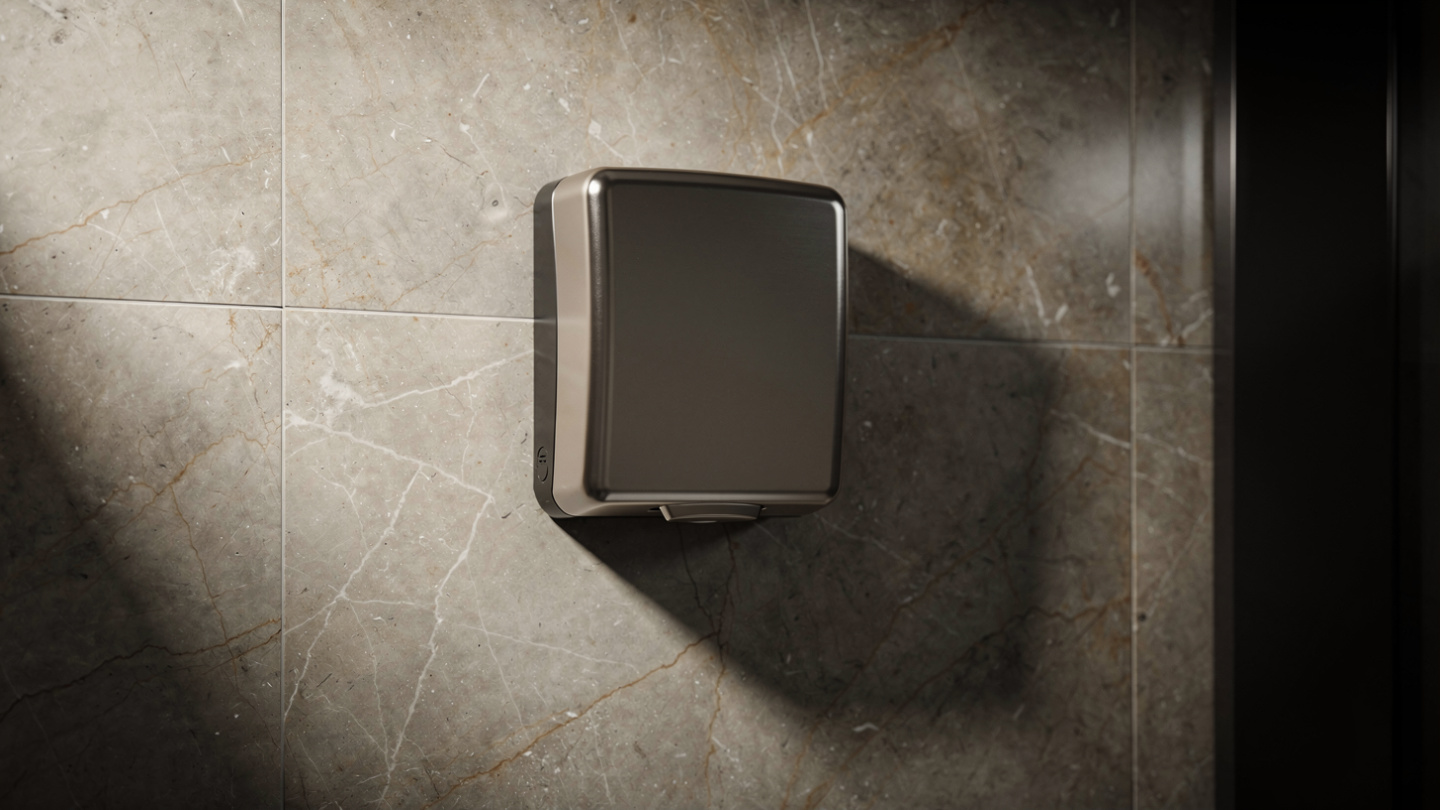
Before purchasing, check the installation requirements carefully. Hand dryers are electrical appliances and should be installed by a qualified electrician in accordance with local regulations. The chosen location needs suitable power access, appropriate wall strength and safe positioning away from water sources according to applicable bathroom electrical rules.
Wall type matters. A dryer mounted on masonry, tiled wall or reinforced commercial partition will generally be more secure than one fixed to a weak surface without proper backing. Heavier or vandal-resistant models may require stronger fixing points. In new builds or renovations, planning the dryer location early can prevent awkward cable runs or poor positioning later.
Height is another practical detail. The dryer should be accessible to the intended users and positioned so that water does not drip across walkways. In schools, accessible bathrooms or family facilities, mounting height and reach should be considered carefully. For commercial projects, accessibility requirements may influence the appropriate placement and model selection.
Durability and Vandal Resistance
Durability becomes more important as washroom traffic increases. A dryer in a private office may not face much abuse, but a dryer in a school, stadium, public park facility, nightclub, transport hub or shopping centre may be used roughly or exposed to deliberate damage.
For demanding environments, consider dryers with strong metal covers, secure fixings, tamper-resistant screws and robust internal components. Stainless steel can be a practical choice because it is hard-wearing and suits many commercial interiors. Powder-coated finishes may also be suitable, but the quality of the coating and the environment should be considered.
Vandal resistance is not only about the cover material. The shape of the dryer, how securely it mounts to the wall, whether components can be easily accessed, and how well it tolerates repeated use all affect long-term reliability. Paying more for a stronger model can be sensible where damage or downtime would be costly.
Maintenance and Cleaning
Touch-free hand dryers are generally low-maintenance, but they are not maintenance-free. The exterior should be wiped regularly, especially around the sensor and air outlet. Dust, soap residue and water marks can affect appearance and, in some cases, sensor performance.
Some models include filters that need periodic cleaning or replacement. This is especially relevant in dusty environments, gyms, workshops, schools and high-traffic public washrooms. A neglected filter may reduce performance or place extra strain on the motor. Before buying, check how easy it is to access and maintain any filter or internal component that requires attention.
Maintenance planning should also include the surrounding wall and floor. High-speed dryers can blow water from hands if users do not position them correctly. Splash marks may appear on nearby walls, mirrors or floors. Choosing the right location, installing splash-resistant surfaces and maintaining regular cleaning routines can help keep the washroom presentable.
Style, Finish and Bathroom Design
Hand dryers are highly visible in many bathrooms, so appearance matters. In a modern restaurant, hotel, showroom or corporate office, the dryer should complement the overall design rather than look like an afterthought. Finish options such as white, brushed stainless steel, polished stainless steel or black may suit different interiors.
Compact dryers can be useful in smaller bathrooms where wall space is limited. Larger high-speed dryers may perform better in busy areas but can dominate a small room visually. The right choice should suit both the expected usage and the visual standard of the space.
For premium bathrooms, consider how the dryer coordinates with other fixtures such as tapware, soap dispensers, grab rails, mirrors and partitions. A well-matched dryer can contribute to a more cohesive and professional washroom, while a poorly chosen unit can make even a renovated bathroom feel inconsistent.
Commercial Versus Residential Use
Commercial and residential bathrooms have different priorities. In a home, a touch-free hand dryer may be chosen for convenience, reduced towel use or a sleek modern look. Noise, size and appearance are usually more important than heavy-duty performance.
In commercial washrooms, the focus is usually reliability, drying speed, operating cost, user flow and ease of maintenance. A commercial dryer must cope with repeated daily use and a wider range of users. It may also need a more durable casing, stronger mounting and better resistance to misuse.
Using a light-duty dryer in a busy commercial environment can be a false economy. Even if the upfront price is lower, poor drying performance, frequent maintenance issues or early replacement can make it more expensive over time. For high-traffic facilities, choosing a model designed for commercial use is usually the more practical decision.
Understanding the Main Trade-Offs
There is no single best touch-free hand dryer for every setting. Faster dryers can reduce queues and improve convenience, but they may be noisier. Quieter dryers may suit offices and hospitality venues, but may take longer to dry hands. Compact models save space, but may not be ideal for very busy washrooms. Premium models cost more upfront, but can be justified where traffic is high, presentation matters or durability is essential.
The key is to match the dryer to the environment rather than buying on one feature alone. A school may value toughness and fast drying. A restaurant may prioritise appearance and moderate noise. A gym may need fast drying and easy cleaning. A public facility may require vandal resistance and low maintenance. A small office may only need a neat, quiet, reliable automatic dryer.
Questions to Ask Before Buying
Before choosing a touch-free hand dryer, it is useful to work through the practical conditions of the bathroom. This helps avoid overbuying, underbuying or selecting a unit that performs well on paper but does not suit the space.
- How many people are likely to use the washroom each day?
- Will the dryer be used in a quiet, customer-facing or high-noise environment?
- Is fast drying more important than low noise?
- Is the wall strong enough for the model being considered?
- Is there suitable electrical access in the right location?
- Does the washroom need a compact, premium or vandal-resistant design?
- Will the finish suit the bathroom fixtures and overall interior?
- How easy is the dryer to clean and maintain?
- Are paper towel costs, storage and waste removal currently a problem?
Common Buying Mistakes to Avoid
A common mistake is choosing a dryer based only on upfront price. While budget matters, a low-cost dryer may not be the best value if it dries slowly, is too noisy, looks unsuitable or fails under frequent use. In commercial settings, the cost of maintenance, replacement and user dissatisfaction should be considered alongside the purchase price.
Another mistake is ignoring the room itself. A powerful dryer in a tiny tiled bathroom can feel uncomfortably loud. A slow dryer in a busy venue can create queues. A lightweight unit in a vandal-prone location may not last. Good product selection starts with the site conditions, not just the appliance specifications.
Buyers should also avoid placing the dryer wherever there happens to be spare wall space. Poor positioning can lead to water trails, congestion near basins, awkward reach or conflict with doors and traffic flow. A well-positioned dryer improves both hygiene and user experience.
When a Premium Touch-Free Dryer Is Worth Considering
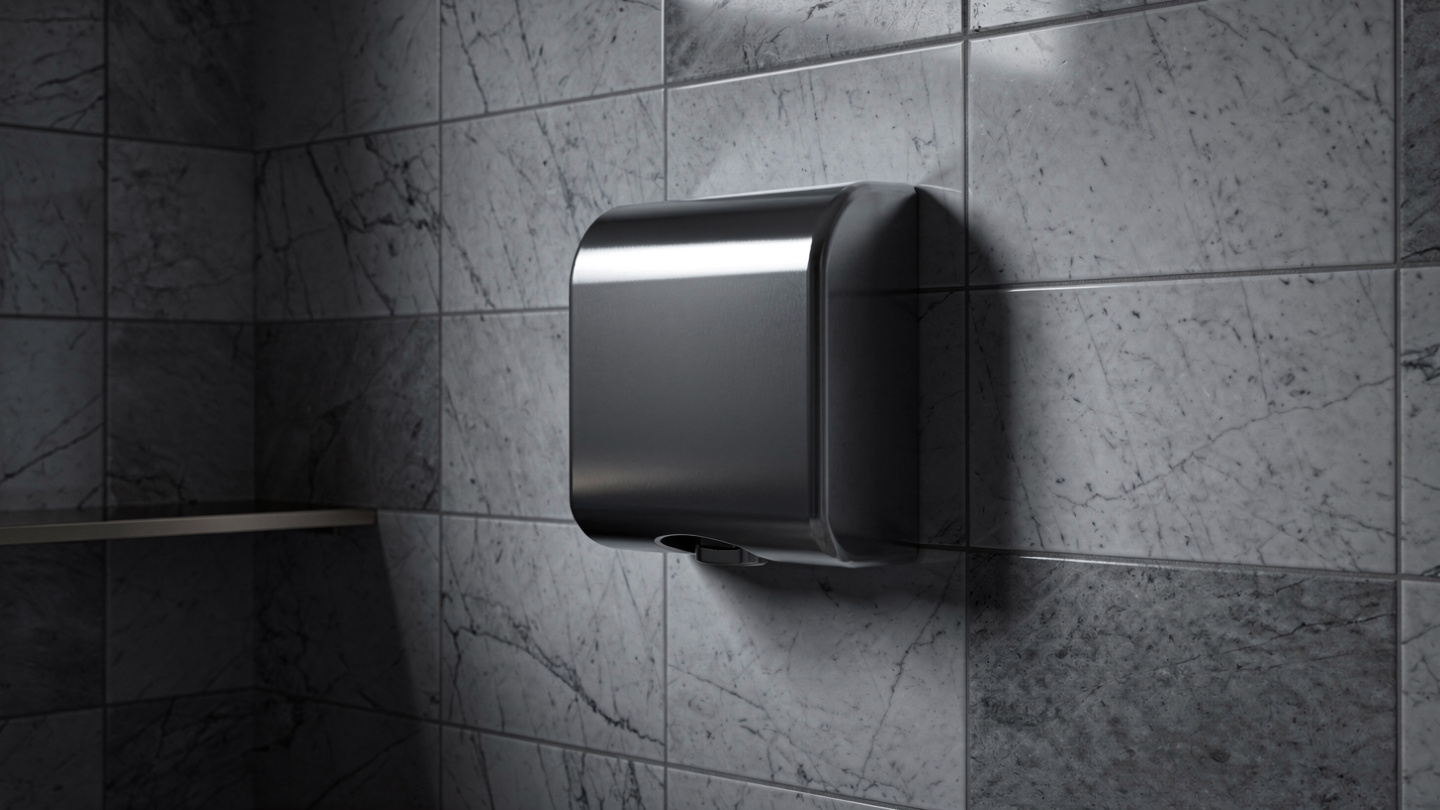
A premium touch-free dryer can be worth the investment where the washroom is used frequently, visible to customers or difficult to service often. High-traffic venues benefit from faster drying, stronger construction and lower per-use operating costs. Hospitality and corporate environments may benefit from better styling, quieter performance and a more refined user experience.
Premium models may also be justified where downtime would cause problems. In a school, gym, restaurant or public facility, a failed dryer can quickly become inconvenient and reflect poorly on the premises. A more robust model with suitable performance for the environment can reduce the likelihood of early replacement.
Practical Conclusion
Touch-free hand dryers offer clear benefits for modern bathrooms and commercial washrooms. They reduce contact points, improve convenience, remove the need for paper towel restocking and can help lower long-term running costs. However, the right choice depends on the space, the users and the level of performance required.
For a small office, residential bathroom or low-traffic washroom, a compact and quiet automatic dryer may be the most sensible option. For restaurants, hotels and customer-facing venues, choose a model that balances appearance, comfort and reliable drying. For schools, gyms, public amenities and busy commercial facilities, prioritise durability, drying speed, secure installation and ease of maintenance. The best touch-free hand dryer is the one that fits the washroom’s real conditions, performs consistently and supports a cleaner, more efficient bathroom over the long term.