Blade Hand Dryers vs Hands-Under Hand Dryers
Which Type Should You Choose?
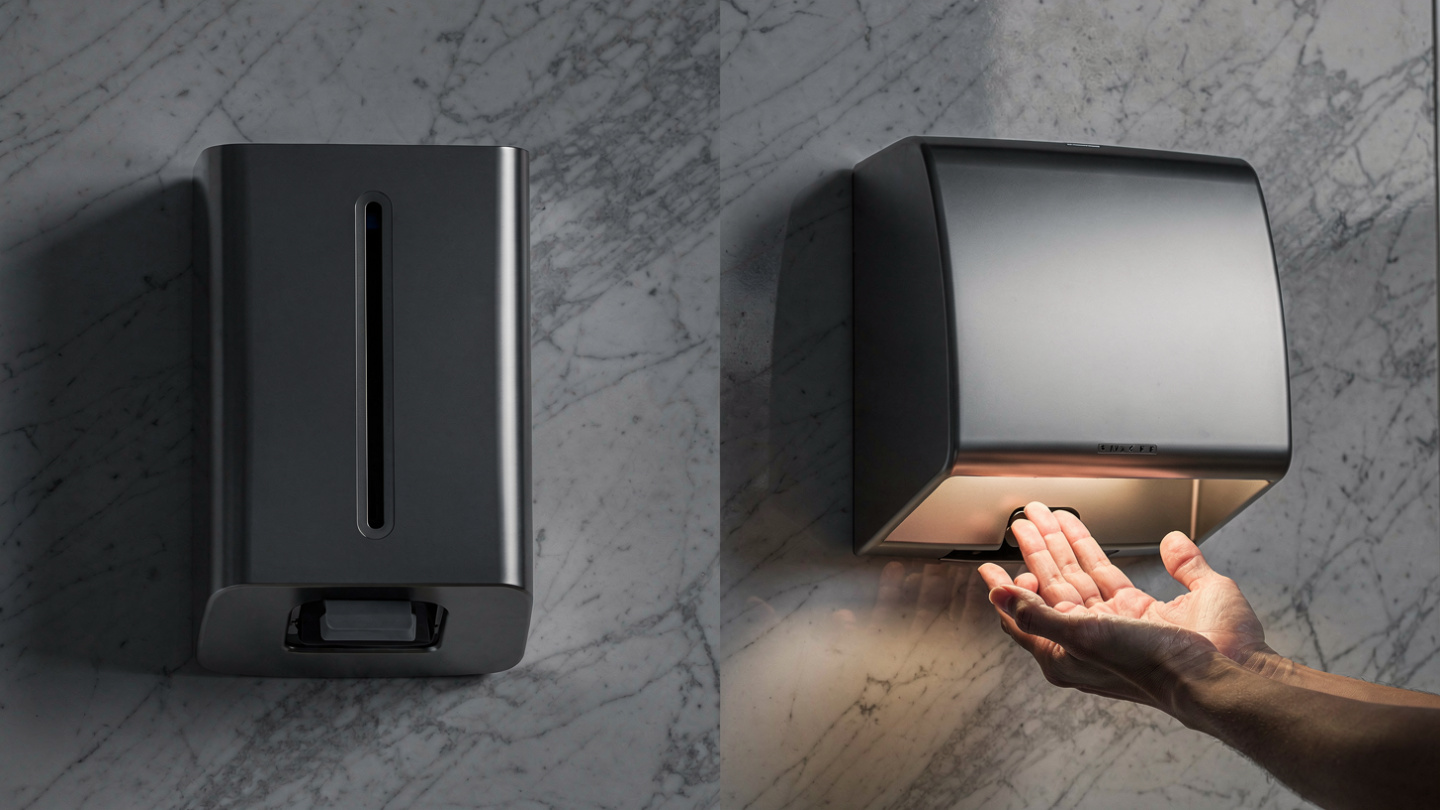
Choosing between a blade hand dryer and a traditional hands-under hand dryer is not simply a matter of appearance. The best option depends on the type of washroom, the number of users, the available wall space, hygiene expectations, noise tolerance, installation requirements and long-term running costs.
Both styles can be suitable for commercial bathrooms, offices, restaurants, schools, gyms, hospitality venues and public facilities, but they suit different priorities. Blade hand dryers are often chosen for fast drying and a more enclosed drying area, while hands-under dryers are usually selected for their flexibility, compact size, familiar operation and broad suitability across many washroom layouts.
What Is a Blade Hand Dryer?
A blade hand dryer is a high-speed hand dryer that usually requires the user to place their hands into, or between, a drying channel. Sheets of fast-moving air are directed along both sides of the hands to remove water quickly. The user typically moves their hands slowly up and down through the air stream until dry.
Blade dryers are popular in busy commercial washrooms because they are designed to reduce drying time compared with many older-style warm air dryers. They can also give the washroom a modern, premium feel, especially in offices, shopping centres, hospitality venues and high-end public amenities.
The main consideration with blade dryers is that they tend to be physically larger than many hands-under models. They need adequate wall space, enough clearance around the unit, and careful positioning so users can approach and stand in front of the dryer comfortably.
What Is a Hands-Under Hand Dryer?
A hands-under hand dryer is the more familiar style where the user places their hands beneath the unit. Air is blown downwards or outwards onto the hands, and the user rubs or rotates their hands in the airflow. This category includes compact hand dryers, high-speed dryers, warm air dryers and vandal-resistant commercial models.
Hands-under dryers are widely used because they suit many different washroom layouts. They are often easier to fit into smaller bathrooms, accessible washrooms, staff toilets, restaurants, cafés, gyms and commercial buildings where wall space is limited.
The performance of hands-under dryers varies significantly. Older low-speed warm air models can be slow, while modern high-speed hands-under dryers can dry hands much faster and use less energy per dry. For this reason, it is important to compare the actual style and intended use of the dryer rather than assuming all hands-under models perform the same way.
Drying Speed and User Convenience
Drying speed is one of the main reasons customers compare blade dryers with hands-under dryers. In high-traffic washrooms, faster drying helps reduce queues, improves user satisfaction and encourages people to dry their hands properly rather than leaving with damp hands.
Blade hand dryers are generally designed for fast drying. Because they direct air along both sides of the hands, they can remove water efficiently when used correctly. This makes them well suited to busy office washrooms, shopping centres, airports, entertainment venues and other locations where many people use the facilities throughout the day.
High-speed hands-under dryers can also perform very well, particularly in commercial settings where a compact unit is preferred. However, some users may spend less time under the airflow or may not position their hands correctly, which can affect the drying result. In practical terms, a good hands-under dryer can be fast and effective, but blade dryers often have an advantage where speed is the top priority.
Washroom Traffic Level
The expected traffic level should strongly influence your decision. A low-traffic staff bathroom has very different requirements from a public washroom in a shopping centre, school, sports facility or hospitality venue.
For high-traffic washrooms, a blade dryer can be a strong choice because it is designed for frequent use and quick drying. Faster operation can help reduce congestion around basins and drying areas. This can be particularly useful where the washroom has several basins and users tend to arrive in groups, such as during school breaks, lunch periods, events or gym peak times.
For medium-traffic environments, either type can work well. Offices, cafés, restaurants, medical suites and small commercial premises may favour a hands-under dryer if space, budget, noise control or ease of installation are more important than maximum drying speed.
For low-traffic bathrooms, including some small workplaces or residential-style settings, a compact hands-under dryer is often more practical. A blade dryer may still be suitable if the owner wants a premium feel, but it may be more dryer than the space genuinely requires.
Hygiene Considerations
Hygiene is a key purchasing factor, particularly in restaurants, healthcare-related facilities, schools, aged care settings, gyms and public washrooms. Both blade and hands-under dryers can support good hygiene when they are touch-free, correctly installed and regularly cleaned.
Most modern commercial hand dryers use automatic sensors, meaning users do not need to press a button after washing their hands. This helps reduce touchpoints in the washroom. However, the shape of the dryer can affect cleaning routines and user behaviour.
Blade dryers often have a defined hand drying area. This can help contain water better than some open-air designs, although the internal drying channel or water collection area may need regular cleaning. If the unit has a drip tray or water reservoir, staff should empty and clean it as part of the maintenance schedule.
Hands-under dryers usually have a more open design, which can be easier to wipe down externally. However, water may drip onto the floor if users move away before their hands are dry or if the dryer is positioned too far from the basin. Good placement and adequate floor maintenance are important.
Noise Level
Noise is one of the most important trade-offs when choosing a hand dryer. Faster dryers often use higher air speeds, and higher air speed can mean more noise. This applies to both blade dryers and high-speed hands-under dryers.
In loud environments such as stadiums, shopping centres, gyms or large public facilities, dryer noise may be less of a concern than speed and durability. In offices, restaurants, hotels, medical clinics, childcare centres and small hospitality venues, noise may matter much more.
Blade dryers can be noticeably loud because of the concentrated high-speed airflow. Some hands-under dryers are also loud, especially compact high-speed models. If noise is a concern, look for models designed with lower-noise operation, consider the acoustics of the washroom, and avoid installing very powerful dryers directly beside quiet dining areas, meeting rooms, reception spaces or treatment rooms.
Energy Efficiency and Running Costs
Running costs are affected by drying time, motor power, heating element use and the number of daily users. A dryer that uses more power while operating may still be economical if it dries hands very quickly. Conversely, a low-power dryer may not save much energy if users need to run it for longer.
Blade dryers and high-speed hands-under dryers are often chosen as alternatives to paper towels because they can reduce ongoing consumable costs, storage requirements and waste disposal. This can be commercially useful in busy washrooms where paper towel use is high.
When comparing running costs, consider the whole picture. A fast dryer can reduce usage time per person, but a high-traffic washroom may still run the dryer hundreds of times per day. Heated airflow can improve comfort, especially in cooler environments, but unheated or low-heat high-speed dryers may reduce electricity consumption. The best choice depends on your balance of user comfort, speed and energy efficiency.
Installation Requirements and Wall Space
Installation is often where the practical differences between blade and hands-under dryers become clear. Blade hand dryers are usually larger and heavier, so they require suitable wall strength, appropriate mounting height and enough space for users to stand directly in front of the unit.
Hands-under dryers are generally more flexible. Many models are compact enough for smaller washrooms, narrow circulation areas, accessible bathrooms and locations where a larger dryer would feel intrusive. They can often be positioned near basins without dominating the wall.
Before buying either type, check the intended mounting location, electrical requirements, clearance from basins, clearance from door swings, and whether the dryer could obstruct movement. In commercial washrooms, placement should also consider queues, user flow and accessibility. A powerful dryer installed in the wrong position can create water on the floor, awkward circulation or unnecessary noise near occupied spaces.
Durability and Vandal Resistance
Durability matters in any commercial washroom, but it becomes especially important in schools, public parks, transport facilities, gyms, night venues, stadiums and other unsupervised or high-use environments. The dryer should be able to tolerate frequent use, accidental impact and regular cleaning.
Hands-under dryers are available in many robust commercial designs, including metal-cased and vandal-resistant styles. Their simpler shape can be useful in public facilities where exposed parts, crevices and delicate components may be more vulnerable to damage.
Blade dryers can also be suitable for demanding environments, but the design should be assessed carefully. A larger unit with a hand insertion area may require more cleaning and may be more exposed to misuse in some public settings. For facilities where vandalism is a serious concern, a strong, simple, wall-mounted hands-under dryer may be the more practical choice.
Maintenance and Cleaning
Hand dryers are not maintenance-free. Even reliable commercial models need routine cleaning, sensor checks and occasional inspection. The amount of maintenance depends on the dryer design, washroom traffic and the cleanliness of the environment.
Blade dryers may require more attention around the hand channel, air outlets and any water collection area. If water is captured in a tray, that tray should be emptied and cleaned regularly to avoid odours, residue or overflow. In busy washrooms, this task should be included in the cleaning schedule rather than treated as occasional maintenance.
Hands-under dryers are often easier to clean externally, especially where the body has smooth surfaces and minimal crevices. However, the floor below the dryer should be monitored for drips, particularly if users tend to leave before drying fully. In dusty environments, intake areas should also be checked so airflow remains effective.
Style, Finish and Washroom Design
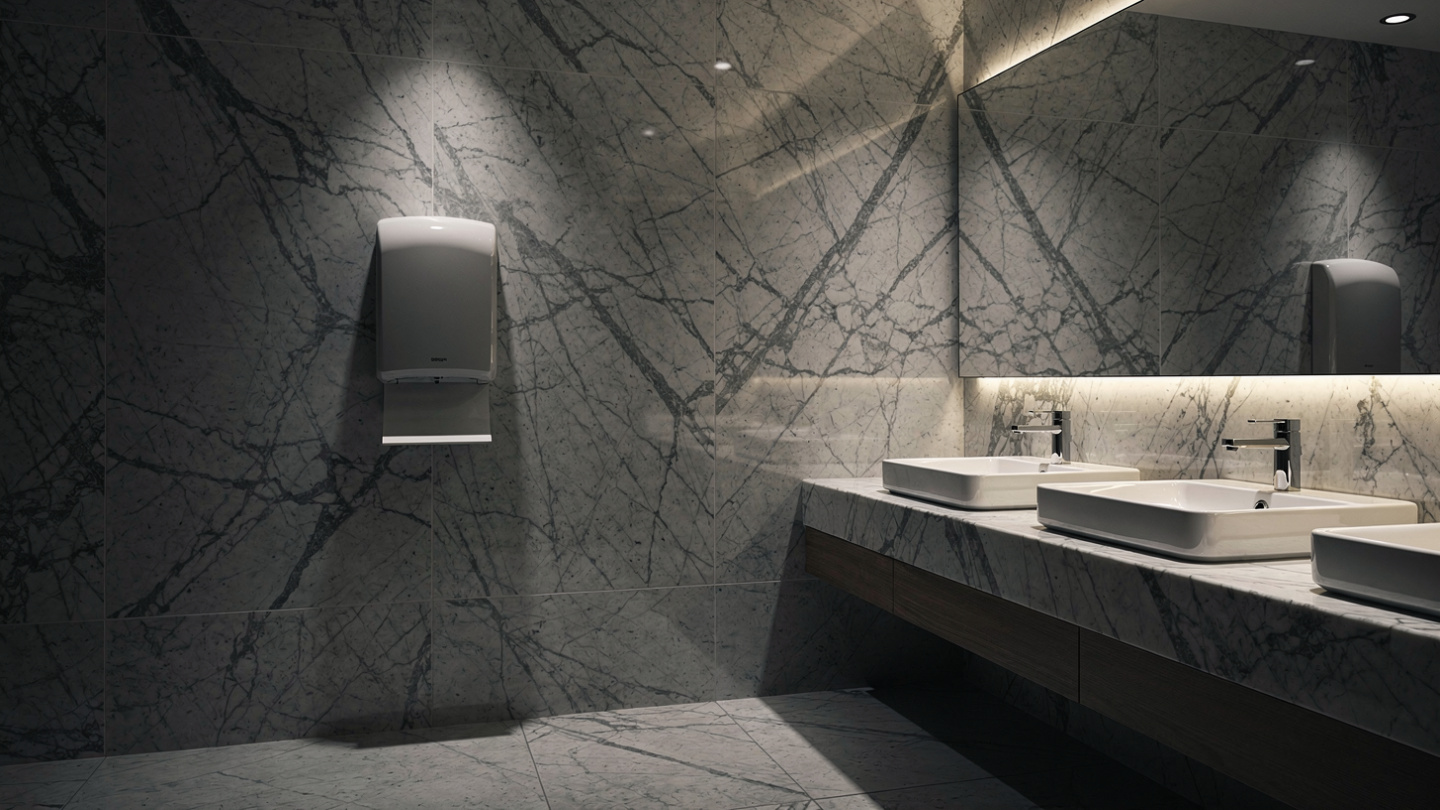
The appearance of the dryer can influence the overall impression of the washroom. In hotels, restaurants, offices, showrooms and premium hospitality venues, a hand dryer should look intentional rather than like an afterthought.
Blade dryers often create a modern, high-tech impression. They can suit contemporary commercial washrooms where the dryer is part of a more designed environment. Their larger size makes them visually prominent, so the finish and placement should work with the surrounding basins, mirrors, partitions and wall finishes.
Hands-under dryers are available in a wide range of styles, from compact white units to stainless steel commercial models. They can be easier to integrate discreetly, particularly in smaller bathrooms or venues that favour a simple, practical look. Stainless steel or darker finishes may suit high-use commercial spaces, while white or neutral finishes may blend better into lighter interiors.
Commercial Versus Residential Use
For commercial washrooms, the main priorities are usually drying speed, reliability, hygiene, low running costs and suitability for repeated daily use. Both blade and hands-under dryers can be appropriate, but the dryer should be chosen for the expected workload rather than simply for appearance.
For residential or light-use settings, a full-size blade dryer may be unnecessary unless the homeowner specifically wants a commercial-style bathroom feature. A compact hands-under dryer is generally easier to accommodate and may be more proportionate for a small private bathroom, workshop, pool area or home gym.
In commercial environments, it is also important to consider who will maintain the dryer. A model that suits a managed office building may not be the best choice for a remote public facility with infrequent cleaning. The more demanding the location, the more important it is to choose a durable, easy-to-clean dryer with sensible installation placement.
When a Blade Hand Dryer Makes the Most Sense
A blade hand dryer is usually worth considering when the washroom has moderate to high traffic, enough wall space, and a need for fast drying. It can be a good option for busy offices, shopping centres, airports, entertainment venues, universities, gyms and premium commercial bathrooms where speed and modern presentation are important.
Blade dryers are also suitable where the business wants to reduce reliance on paper towels while still giving users a quick and structured drying experience. They can feel more purposeful than older warm air dryers, particularly when the washroom is designed to look contemporary and efficient.
The main reasons not to choose a blade dryer are limited space, high sensitivity to noise, concerns about cleaning the drying channel, or a public environment where a simpler vandal-resistant unit would be more suitable.
When a Hands-Under Hand Dryer Makes the Most Sense
A hands-under hand dryer is often the more versatile choice. It suits small and medium commercial washrooms, restaurants, cafés, offices, staff bathrooms, accessible toilets, schools, gyms and many public facilities. It is also generally easier to fit where space is tight or where the dryer needs to be mounted in a specific position near existing services.
Hands-under dryers are a strong option when you want a compact footprint, straightforward cleaning and a broad choice of finishes and durability levels. A high-speed hands-under dryer can still deliver excellent performance, especially if you choose a model intended for commercial rather than occasional use.
The main limitation is that user experience can vary depending on the model. Some hands-under dryers are fast and efficient, while older or lower-powered designs may feel slow in a busy washroom. For high-traffic areas, avoid choosing purely on upfront price; a slower dryer can create frustration and may not deliver the best long-term value.
Key Trade-Offs to Consider Before Buying
The best choice usually comes down to priorities. If drying speed and a modern user experience matter most, a blade dryer may be the better option. If space, simplicity, durability and flexible installation are more important, a hands-under dryer may be more practical.
- Choose a blade dryer if you need fast drying in a busy commercial washroom and have enough wall space for a larger unit.
- Choose a hands-under dryer if you need a compact, flexible solution for a smaller bathroom, office, restaurant, school or general commercial washroom.
- Consider noise carefully if the dryer will be near dining areas, offices, consultation rooms, hotel rooms or other quiet spaces.
- Prioritise vandal resistance in public, unsupervised or high-risk locations.
- Look beyond the purchase price and consider energy use, cleaning time, durability and the cost of alternatives such as paper towels.
Practical Conclusion: Which Type Should You Choose?
Choose a blade hand dryer if your washroom is busy, modern, well maintained and has enough space for a larger high-speed unit. Blade dryers are particularly suitable where fast drying, reduced queuing and a premium feel are important. They make the most sense in high-traffic commercial washrooms where the extra size and cleaning requirements are justified by performance.
Choose a hands-under hand dryer if you want a more flexible, compact and broadly suitable option. A good commercial hands-under dryer can work well in offices, restaurants, schools, gyms, hospitality venues, public facilities and smaller bathrooms. It is often the safer choice where space is limited, noise needs careful control, or vandal resistance and simple maintenance are priorities.
In most cases, neither style is automatically better. The right dryer is the one that matches the washroom’s traffic level, layout, user expectations and maintenance routine. For a high-use, well-designed commercial washroom, a blade dryer can be an excellent investment. For a smaller, mixed-use or more demanding environment, a durable hands-under dryer may deliver better practical value over time.