Best Hand Dryers for High-Traffic Public Toilets and Shopping Centres
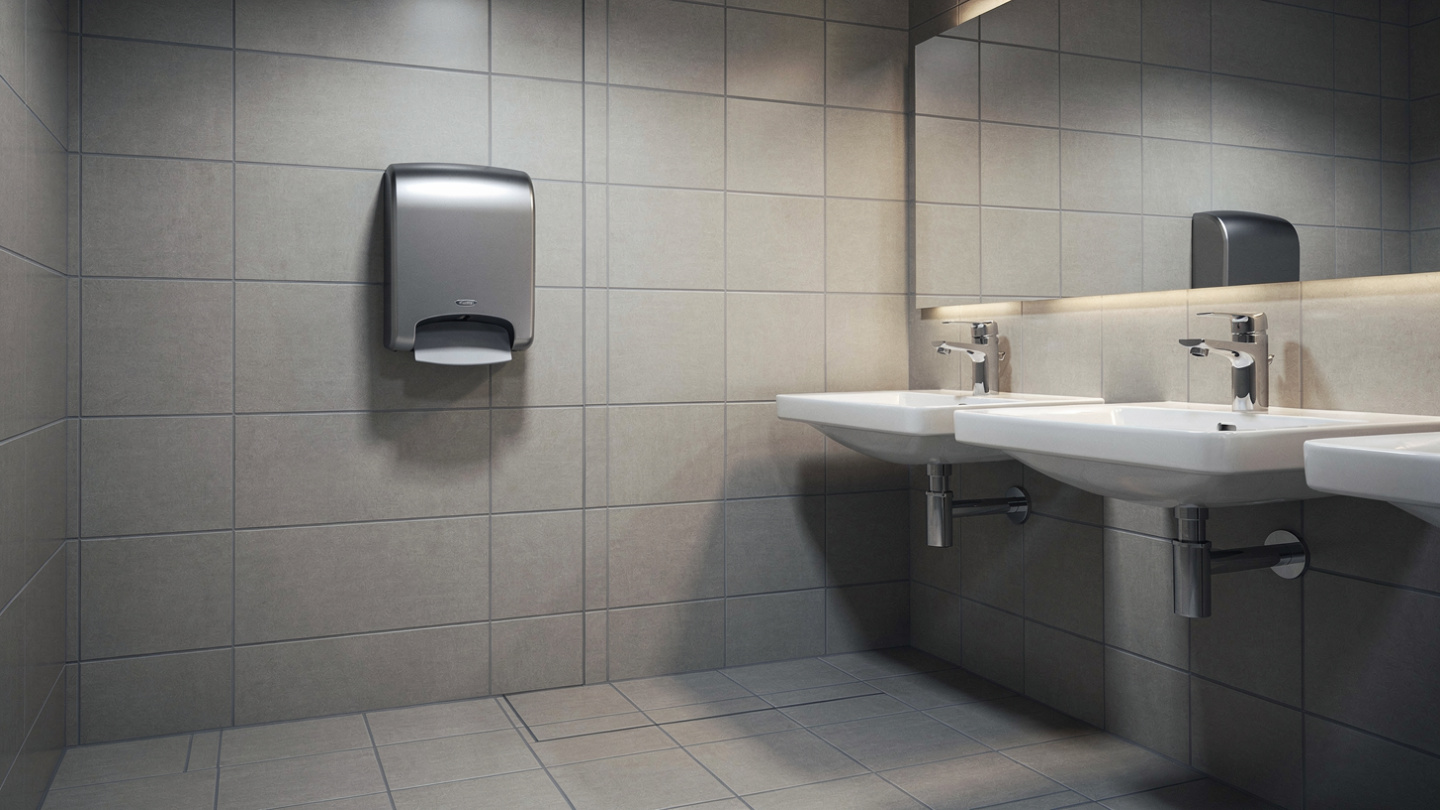
Choosing hand dryers for a high-traffic public toilet or shopping centre washroom is different from choosing a dryer for a small office or private bathroom. The unit must cope with frequent use, dry hands quickly, control running costs, withstand rough treatment, and be simple for cleaning staff to maintain. In busy public facilities, a poorly chosen hand dryer can create queues, increase noise complaints, look worn quickly, or become expensive to operate over time.
The best hand dryer for a high-use environment is not always the cheapest model or the fastest model on paper. It is the dryer that suits the washroom layout, visitor volume, hygiene expectations, installation conditions, and maintenance routine. This guide explains the key buying factors so you can select a practical, durable and cost-effective hand drying solution for commercial washrooms, public facilities, hospitality venues, schools, gyms and shopping centres.
Start With the Type of Washroom and Expected Traffic
The first question is how heavily the washroom will be used. A small office bathroom may only see occasional use throughout the day, while a shopping centre toilet, cinema, transport facility, school amenities block or stadium washroom may have concentrated periods of very heavy demand. The higher the traffic, the more important drying speed, durability and easy maintenance become.
For high-traffic public toilets, look for commercial-grade hand dryers designed for repeated daily use rather than light-duty residential-style models. A dryer used hundreds of times per day needs a robust motor, reliable sensor operation, a durable cover and components that can tolerate constant activation. In very busy locations, it may also be sensible to install multiple dryers rather than relying on one powerful unit, as this reduces queues and spreads wear across several machines.
Washroom layout also matters. A narrow corridor-style toilet may benefit from compact wall-mounted dryers that do not project too far from the wall. A large shopping centre washroom with long vanity areas may need several dryers positioned away from doorway bottlenecks. If the facility is used by children, elderly users or people with mobility needs, mounting height and ease of access should also be considered.
Drying Speed and User Throughput
Drying speed is one of the most important considerations in a high-traffic public washroom. Faster drying reduces queues, improves user satisfaction and helps keep people moving through the facility. High-speed hand dryers typically use concentrated airflow to remove water quickly, often drying hands much faster than older warm-air models.
There is a trade-off, however. Very fast air speeds can increase noise, and some users may find strong airflow less comfortable. In a shopping centre or public toilet this may be acceptable, especially where performance and throughput are priorities. In a hotel lobby, office reception area, restaurant or premium hospitality venue, a slightly quieter dryer with good but not extreme drying speed may be the better choice.
When comparing models, do not look only at claimed dry time. Consider how the dryer performs in real use. Users often do not dry their hands for the full recommended time, so a model that removes moisture quickly in the first few seconds can perform better in practice. The location of the dryer also affects results; if it is positioned too far from the basins, users may drip water across the floor before reaching it.
Energy Efficiency and Long-Term Running Costs
Running costs are a major factor in busy commercial washrooms. A hand dryer may be used thousands of times per week, so electricity consumption can become significant over the life of the product. Modern high-speed hand dryers are often more energy efficient than older warm-air models because they complete each drying cycle more quickly.
Some dryers use heated air, while others rely mainly on high-velocity unheated or low-heat airflow. Heated models can feel more comfortable, particularly in cooler environments, but they may use more power. Low-energy models may reduce electricity costs, but the drying experience may vary depending on air speed and ambient temperature.
When assessing cost, consider the total ownership cost rather than the purchase price alone. A cheaper dryer that is slow, fragile or energy hungry may cost more over time than a higher-quality commercial unit. In high-traffic washrooms, premium models can justify their initial price if they reduce queues, lower maintenance issues, use less energy per dry, and last longer under constant use.
Hygiene Considerations in Public Facilities
Hygiene is a key concern in public toilets, healthcare-adjacent facilities, food service venues, schools and shopping centres. Touch-free operation is now standard for most commercial hand dryers and should be considered essential in high-traffic washrooms. An automatic sensor allows users to dry their hands without pressing buttons, reducing contact points and making the washroom feel more modern and sanitary.
Some hand dryers include filtration systems, antimicrobial surfaces or designs intended to reduce water splashing. These features may be useful in certain environments, but they should be considered alongside practical cleaning requirements. A dryer with filters may require scheduled filter replacement or cleaning. A model with a water collection tray may reduce floor moisture but adds another maintenance task.
The surrounding washroom design also affects hygiene. If dryers are mounted too close to basins, mirrors or walls, air movement may blow water onto nearby surfaces. If they are too far away, users may drip water across the floor. For high-traffic public toilets, the best arrangement is usually a clear handwashing and drying zone with enough space for people to move without crowding.
Noise Level and User Comfort
Noise is one of the most common complaints about high-speed hand dryers. In a busy shopping centre or public facility, some noise may be acceptable, but it still needs to be managed. Loud dryers can be uncomfortable for children, people with sensory sensitivities, elderly users, staff working nearby, and customers in adjacent dining or retail areas.
In large tiled washrooms, sound can echo and make dryers seem louder than expected. A dryer that appears acceptable in a small showroom may feel much louder once installed in a hard-surfaced public toilet. If the washroom is near a restaurant seating area, office workspace, hotel corridor or childcare area, noise should be given more weight in the decision.
The usual trade-off is speed versus sound. High-velocity dryers often dry hands quickly but may be louder. Quieter models can be more comfortable but may have slightly longer drying times. For high-traffic shopping centres, a balanced commercial dryer with strong airflow and controlled noise is often preferable to the loudest and fastest option available.
Durability and Vandal Resistance
Durability is critical in unsupervised public toilets. Hand dryers in shopping centres, schools, transport facilities, entertainment venues and public amenities may be exposed to heavy use, accidental impact, misuse or vandalism. A lightweight domestic-style dryer is unlikely to be suitable for these environments.
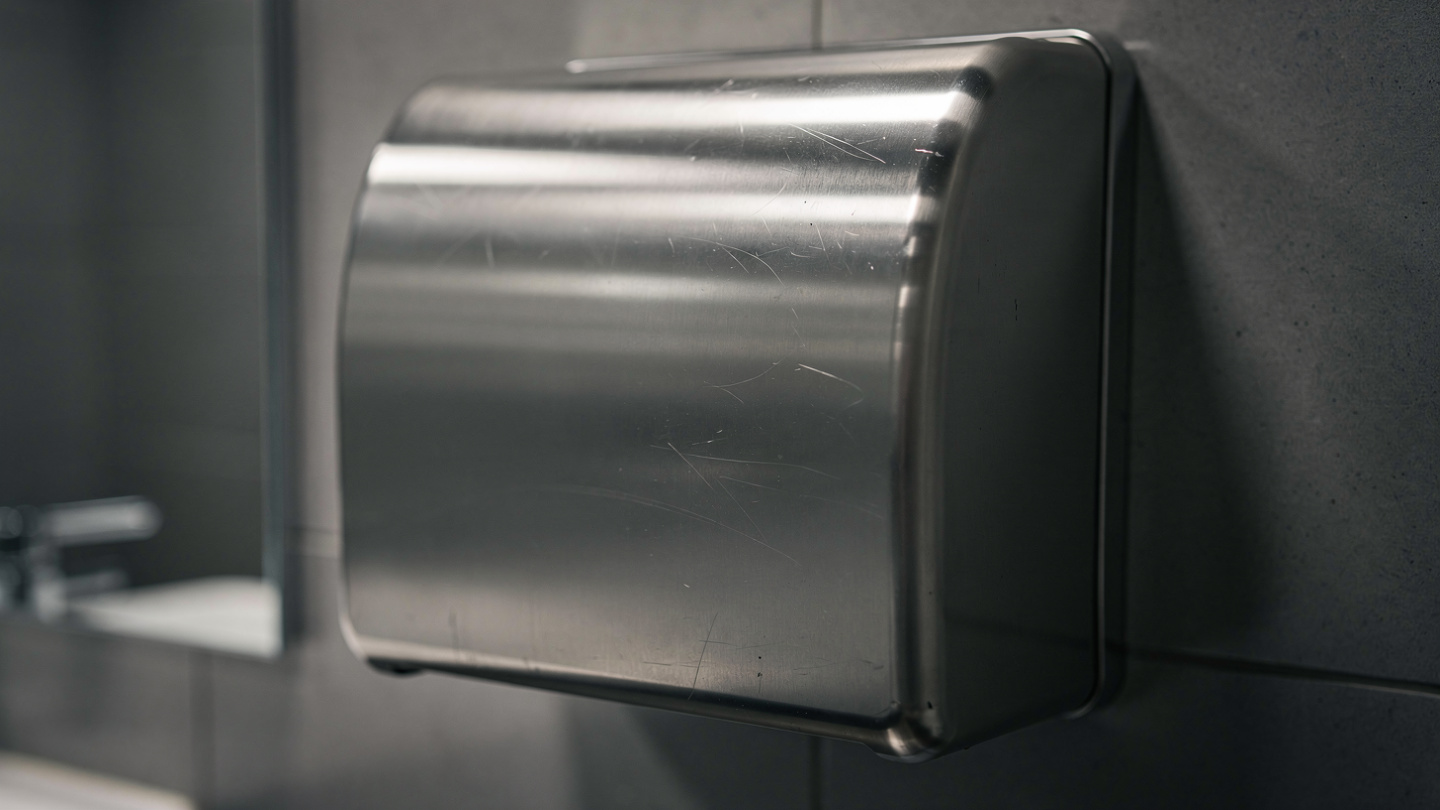
For high-traffic public washrooms, consider dryers with strong covers, secure fixings and robust internal components. Stainless steel or heavy-duty metal covers are often preferred where vandal resistance and long service life are priorities. ABS or other durable plastic covers may still be suitable in controlled commercial settings, but they may not offer the same level of impact resistance in rough public environments.
The dryer should also be simple to clean. Smooth surfaces, minimal seams and accessible external areas help cleaners remove fingerprints, water marks and grime quickly. In public washrooms, presentation matters: a scratched, stained or damaged dryer can make the whole facility feel poorly maintained even if the rest of the bathroom is clean.
Installation Requirements and Electrical Planning
Before purchasing, confirm the installation requirements. Commercial hand dryers are typically hardwired by a licensed electrician, and the electrical supply must be suitable for the model selected. Power rating, circuit capacity, wall construction and cable access all need to be checked before installation.
Mounting location is just as important as the electrical connection. The dryer should be positioned at a practical height, close enough to basins to reduce dripping but not so close that water and airflow interfere with handwashing. There should be enough clearance around the unit for comfortable use and cleaning. In accessible washrooms, installation height and placement should be planned with accessibility requirements in mind.
Wall strength should not be overlooked. High-speed dryers can be relatively heavy and may experience frequent bumps or pressure from users. The wall must be able to support the dryer securely. In high-risk locations, tamper-resistant fixings and careful mounting are worth considering.
Maintenance and Cleaning Practicalities
A hand dryer that performs well but is difficult to maintain may become a problem in a busy facility. Cleaning staff need to be able to wipe surfaces quickly, remove dust from air intakes where required, and deal with any water collection components. Facility managers should understand the recommended maintenance routine before choosing a model.
Some high-speed dryers include filters that help improve air quality entering the unit. Filters can be valuable, but only if they are maintained correctly. If filters are ignored, performance may decline and servicing problems may increase. Similarly, dryers with water trays can help control water on the floor, but the tray must be emptied and cleaned regularly.
In high-traffic settings, maintenance access should be straightforward. A dryer installed in an awkward corner, above a bin or too close to another fixture may be harder to clean and service. Good placement reduces maintenance frustration and helps keep the washroom looking professional.
Style, Finish and the Look of the Washroom
Although performance is the priority in high-traffic public toilets, appearance still matters. Hand dryers are visible fixtures and should suit the standard of the washroom. A premium shopping centre, hotel, office tower or restaurant may favour sleek stainless steel, brushed metal, matte black or other modern finishes. A school, factory or public amenities block may place more importance on durability and easy cleaning than decorative appearance.
Stainless steel finishes are popular in commercial washrooms because they look professional and can be highly durable. White or light-coloured dryers may suit clean, simple bathroom designs but may show marks more readily in some environments. Dark finishes can look contemporary but may show dust, water spots or fingerprints depending on the surface.
Style should not override practical considerations. A compact designer dryer may look attractive but may not provide enough drying capacity for a high-volume public toilet. Conversely, a large industrial-looking dryer may be unnecessary in a refined hospitality washroom where lower noise and visual integration are more important.
Commercial Versus Residential Hand Dryers
For shopping centres and high-traffic public toilets, commercial hand dryers are strongly recommended. Residential or light-duty models are generally designed for occasional use and may not have the motor strength, casing durability or installation suitability needed for constant public use.
Commercial models are usually built with higher duty cycles, stronger materials and more practical servicing in mind. They are better suited to offices, restaurants, gyms, schools, hotels, public buildings and retail centres. In a small private bathroom or low-use staff washroom, a simpler compact model may be sufficient, but it should still be selected with safety, installation and reliability in mind.
The distinction is important because under-specifying a dryer can lead to early failure, poor user experience and higher replacement costs. In commercial washrooms, it is usually better to choose a model appropriate to the expected traffic level rather than trying to save money with a unit that is not intended for the environment.
How Many Hand Dryers Do You Need?
The number of dryers required depends on visitor volume, number of basins, washroom layout and peak usage periods. A single dryer may be enough for a small office washroom, but a shopping centre toilet with multiple basins will usually need several drying points. If there are too few dryers, people may queue, leave with wet hands or use toilet paper as a substitute, increasing mess and maintenance.
As a practical approach, consider how many people may need to wash and dry their hands at the same time during peak periods. Toilets in cinemas, food courts, schools and event venues often experience sudden surges rather than steady use. In these cases, multiple dryers placed in sensible locations can improve flow and reduce crowding.
Placement should also avoid creating congestion. Installing all dryers in one narrow area may cause bottlenecks. In larger washrooms, distributing dryers along the handwashing area can help users move naturally from basins to drying points and then towards the exit.
Key Features Worth Comparing
When comparing hand dryers for high-traffic public toilets and shopping centres, it helps to assess each model against practical criteria rather than relying only on brand, appearance or price. The following features are particularly relevant for commercial washroom projects:
- Fast drying performance suitable for peak periods and heavy daily use.
- Commercial-grade construction with a durable cover and reliable internal components.
- Touch-free sensor activation for hygiene and ease of use.
- Energy-efficient operation to help control long-term running costs.
- Acceptable noise level for the surrounding environment.
- Suitable finish for the washroom design and expected wear.
- Straightforward cleaning and maintenance requirements.
- Appropriate size and projection for the available wall space.
- Installation requirements that suit the building’s electrical and wall conditions.
- Vandal-resistant features where the washroom is public, unsupervised or high risk.
Common Mistakes to Avoid
One common mistake is choosing the cheapest dryer without considering traffic level. A low-cost unit may be acceptable in a lightly used staff bathroom, but it can quickly become unsuitable in a shopping centre or public toilet. Slow drying, weak materials and poor reliability can cost more in the long run.
Another mistake is focusing only on drying speed. A very fast dryer may create too much noise for certain locations or may be too forceful for some users. In customer-facing hospitality, offices or premium retail environments, the user experience should include comfort as well as speed.
It is also easy to overlook installation and placement. A good dryer can perform poorly if mounted in the wrong location, installed at an awkward height or placed where it causes water to drip across the floor. Planning the drying area as part of the overall washroom layout usually produces better results than treating the dryer as an afterthought.
Conclusion: Choosing the Best Hand Dryer for a Busy Public Washroom
For high-traffic public toilets and shopping centres, the best hand dryer is usually a robust commercial model that balances fast drying, energy efficiency, hygiene, durability and manageable noise. In the busiest locations, prioritise drying speed, vandal resistance and long service life. In hospitality, offices and premium retail environments, give additional weight to appearance, acoustic comfort and user experience.
If the washroom is small or moderately used, a compact commercial dryer may be enough. If the facility is large, public and heavily used, invest in stronger high-speed dryers and install enough units to prevent queues. For demanding environments such as schools, transport facilities and public amenities, choose durable materials, secure mounting and simple maintenance over decorative features.
A well-chosen hand dryer should support the way the washroom is actually used. By considering traffic level, layout, running costs, cleaning routines, noise and durability before purchasing, you can select a hand drying solution that performs reliably, looks appropriate and provides better value over its full working life.